




Residential Pest Control for Yellville Homes
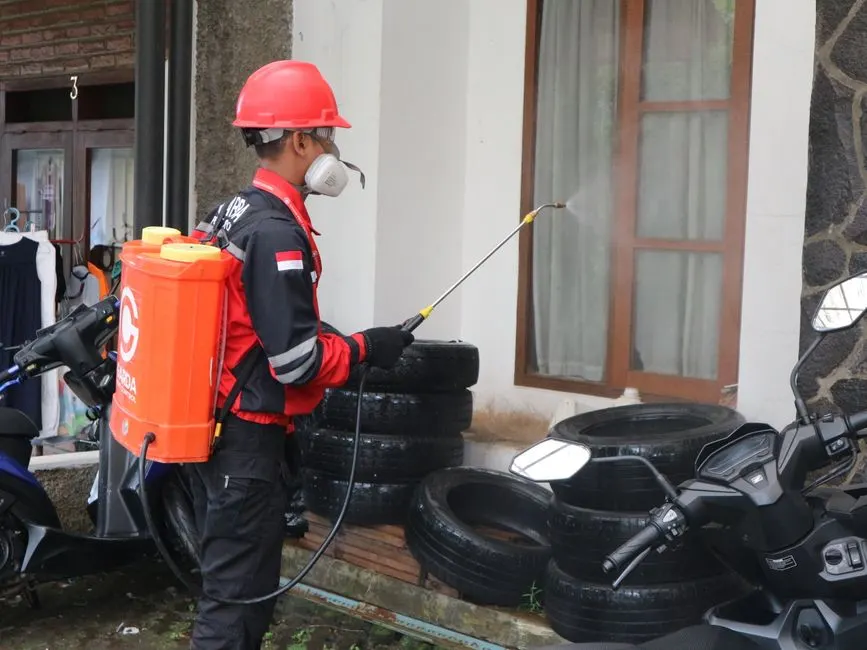
Yellville homes range from compact town properties to houses on wooded or sloped lots with detached garages and sheds. Each layout changes where we look: kitchens and utility entries for mice, porch eaves for stinging insects, crawl spaces for damp conditions and attic edges for wildlife access. We listen to what you have seen and check the relevant parts of the building before selecting a treatment. General Pest Control can address recurring insect concerns, but exclusion, moisture correction or better food storage may also be part of the solution. We explain which steps are yours and which work our technicians will complete. If you have children, pets or a home-based business, tell us when scheduling so we can plan treatment placement and access around daily use.
- Rodent exclusion and trapping — We inspect kitchens, garages, crawl-space access and utility penetrations at your Yellville home, then place suitable traps where activity is confirmed. If we find an accessible gap, we explain whether mesh, sealant or a door repair can close the route. You receive clear monitoring instructions for the first week.
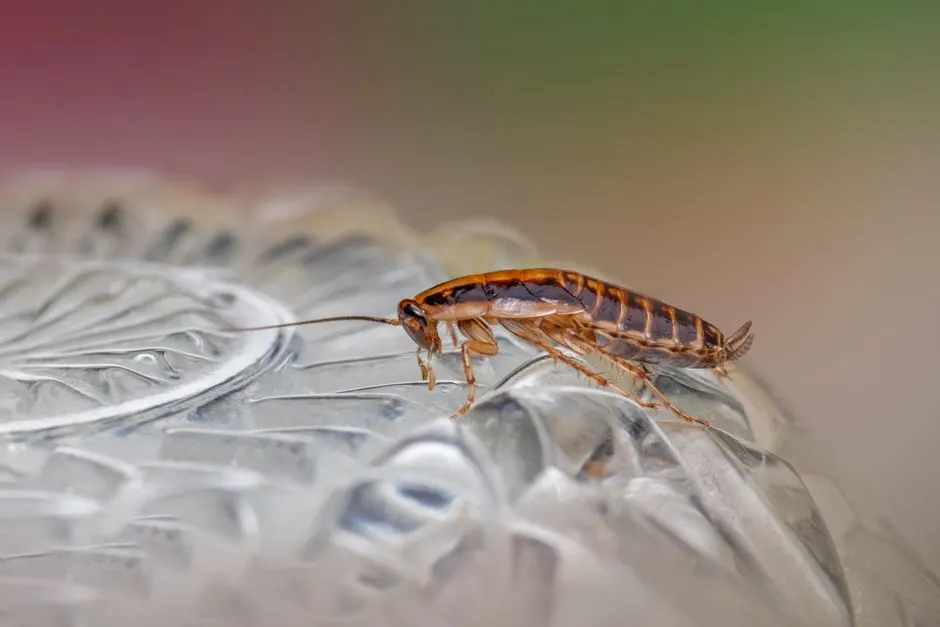
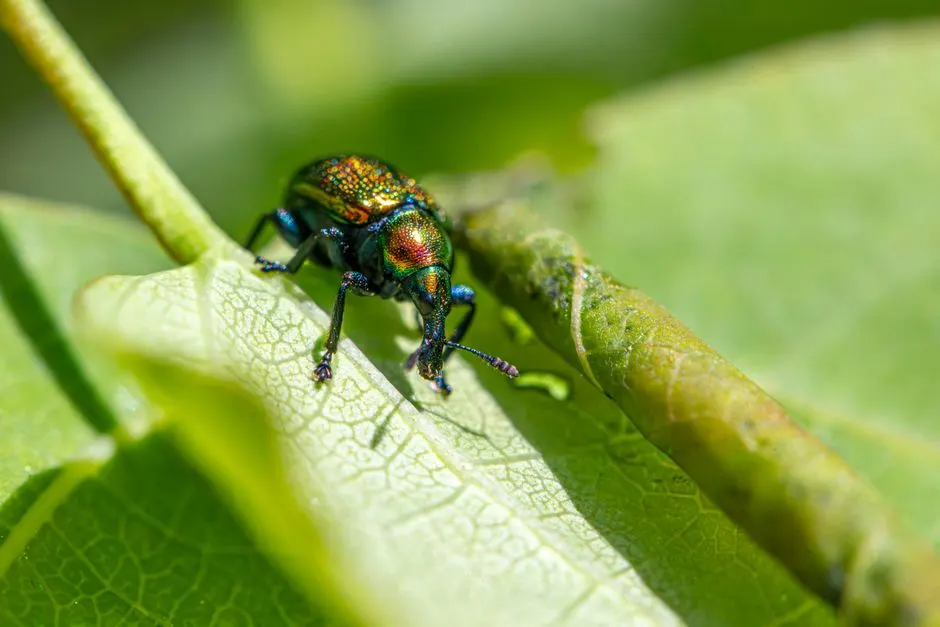
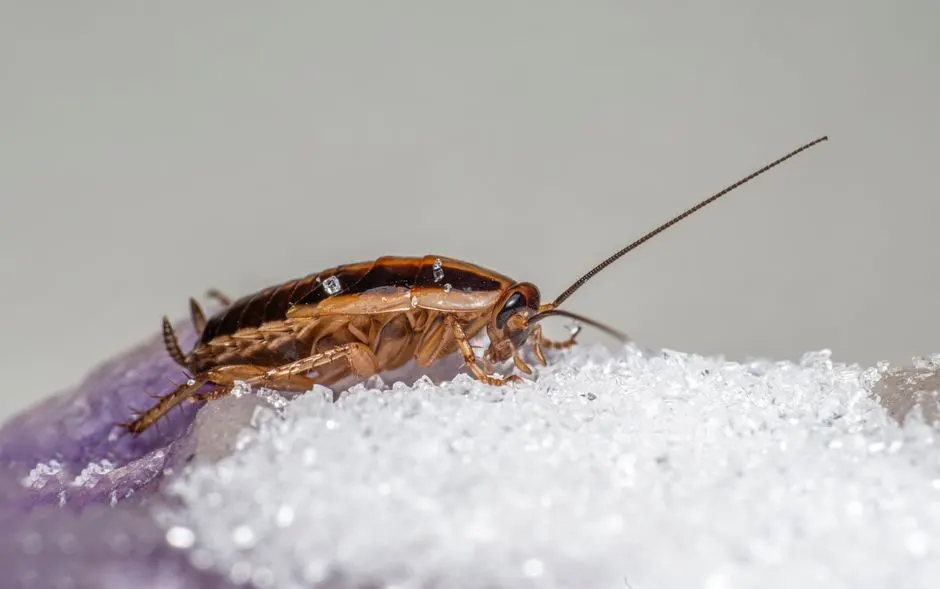
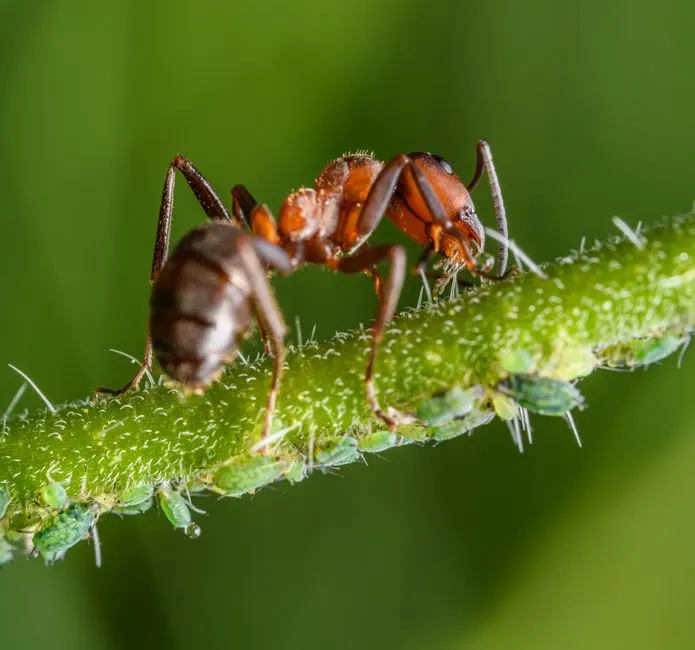
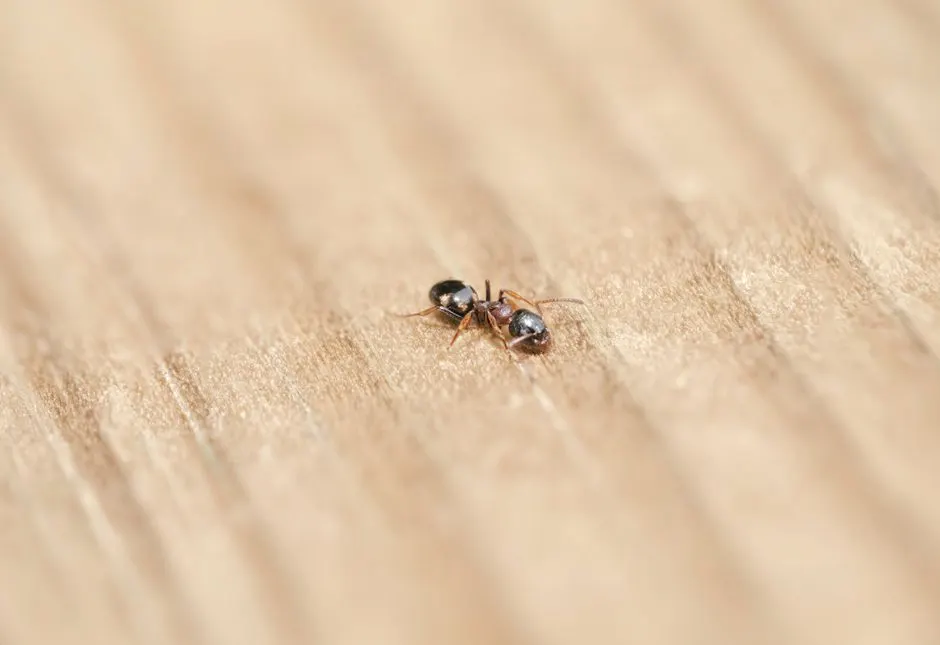
- Targeted household insect treatment — For recurring ants, cockroaches or occasional invaders in Yellville, we identify the pest and inspect likely harborages before applying treatment. We focus on cracks, service gaps or other appropriate locations, then explain food storage, cleaning and re-entry steps. Treatment is matched to the insect rather than applied as a blanket response.
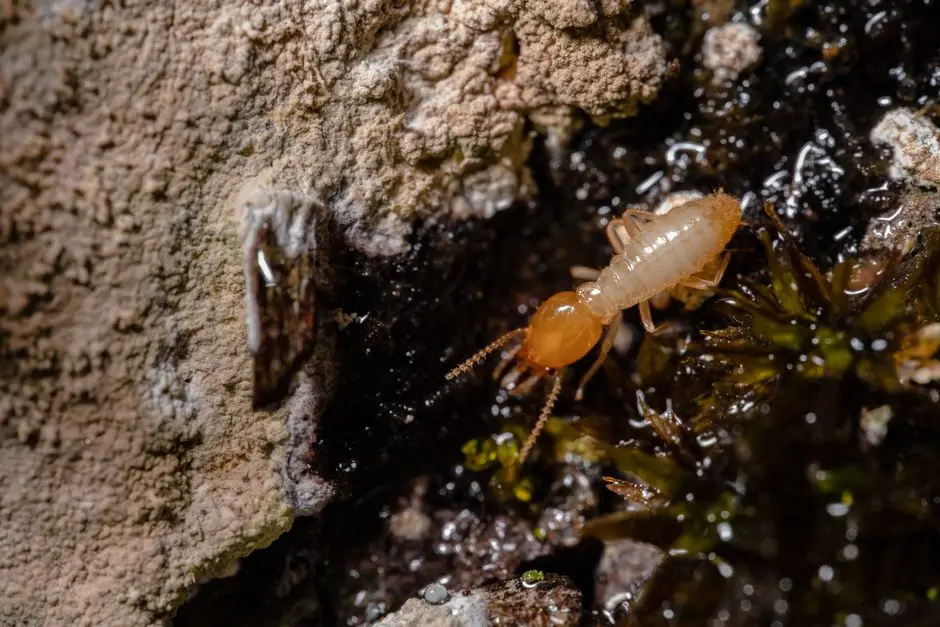
- Termite and wood inspection — We check accessible foundation lines, visible wood damage and wood-to-soil contact at Yellville residences. If signs support a termite concern, we explain the findings and discuss treatment or monitoring options. Move stored items away from the area you want examined so we can see the foundation and wood clearly.
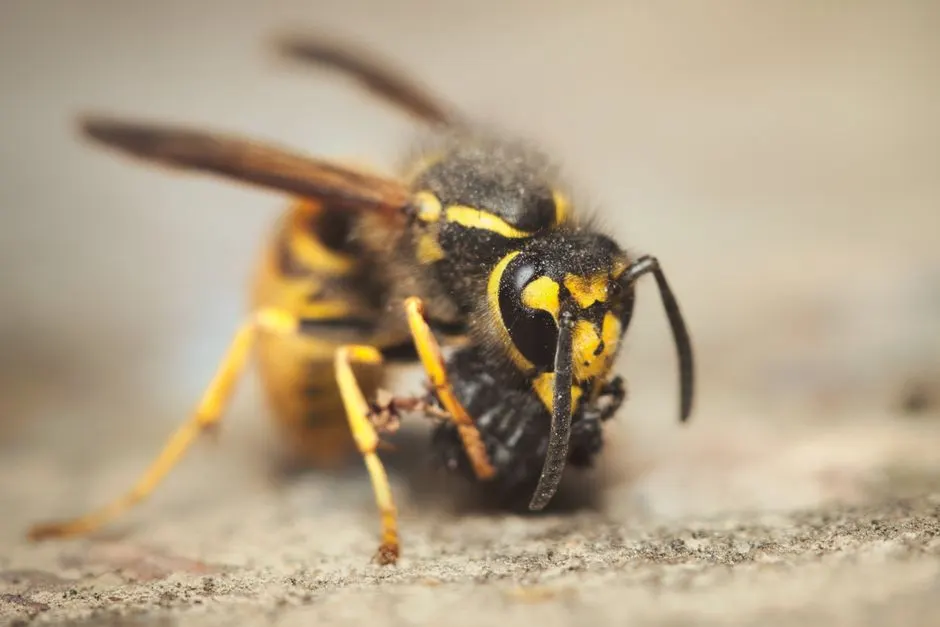
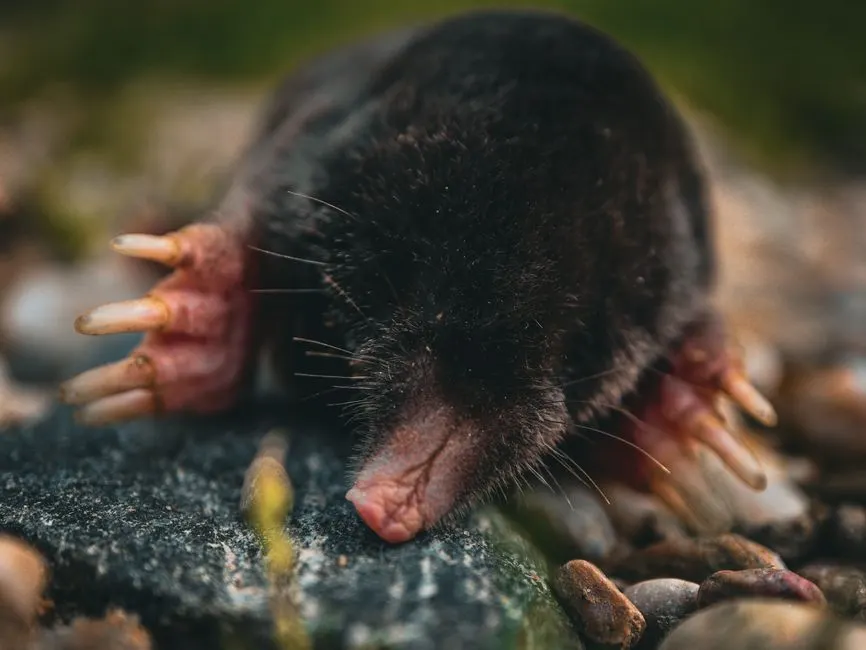
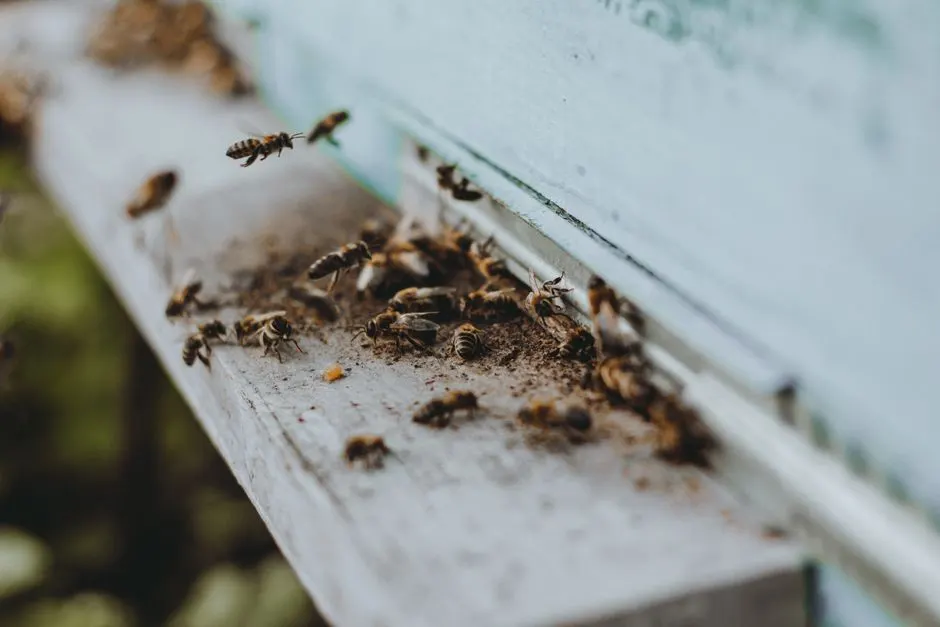
- Yard pest and nest control — We inspect fresh lawn runs, tick activity areas and stinging-insect nests around Yellville homes. The plan depends on the evidence and location; a nest beside a doorway calls for different precautions than a distant lawn concern. We identify the target, treat the appropriate area and give you practical follow-up steps.