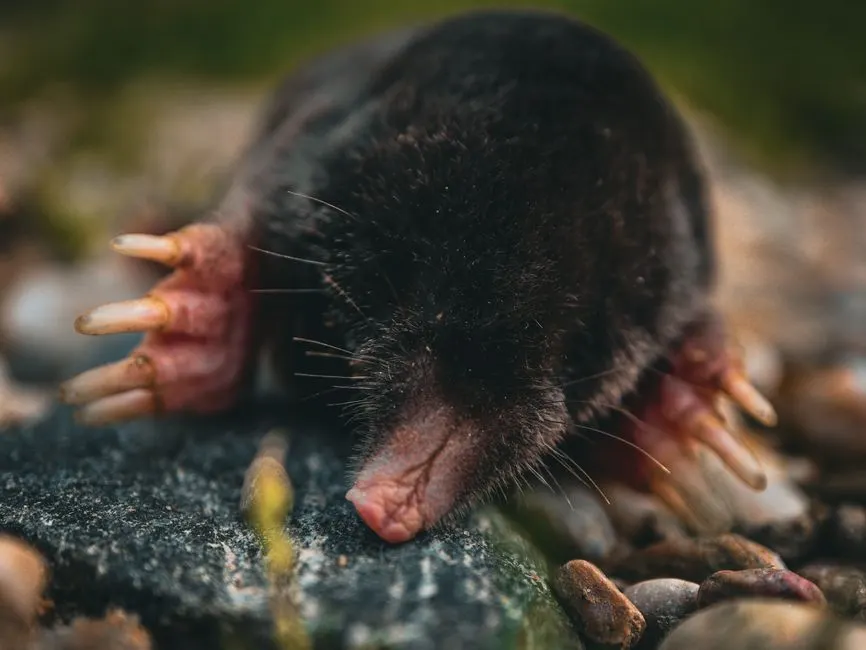
Activity Inspection
We walk the affected lawn, review fresh ridges or mounds, and ask when you first noticed the damage. The inspection covers likely routes, garden edges, and spots where soil movement could interfere with mowing or walking.
Your service includes inspection, identification of likely burrowing activity, treatment planning, and guidance for monitoring results. We explain which areas are active and how to recognize fresh changes. Lawn repair, major grading, and unrelated pest treatments are separate services, so the work stays focused on the burrowing problem affecting your property.
We walk the affected lawn, review fresh ridges or mounds, and ask when you first noticed the damage. The inspection covers likely routes, garden edges, and spots where soil movement could interfere with mowing or walking.
We compare mound shape, tunnel pattern, and the condition of nearby turf to assess whether moles or gophers are responsible. Where signs overlap, we check more than one point before selecting a method.
We apply a control approach suited to the active area and follow applicable label directions. Equipment placement accounts for people, pets, lawn use, and access, with the work explained before treatment begins.
We show you which locations to observe and what fresh digging looks like. A 7-to-14-day monitoring period helps distinguish continuing activity from older damage settling into the turf.
You receive practical notes on drainage, irrigation, and lawn observation that may help you spot new routes early. We explain which conditions to adjust and which changes require a separate lawn or landscape professional.
Mole and Gopher Control Little Rock AR is a lawn-protection service that identifies burrowing mammals and treats active activity before tunnels and mounds undermine turf. We inspect fresh ridges, soil displacement, and likely feeding routes, then distinguish mole damage from gopher sign before choosing a control method. A Pest inspection flashlight helps examine dark gaps and equipment access points, while a probe confirms whether a runway is active. Correct identification matters: a treatment suited to one animal can miss the other.
Little Rock yards face changing soil moisture through fall rains, winter temperature swings, and warm, humid growing months. Wet ground can make new ridges conspicuous, while irrigation and established lawns support prey and digging activity. Our technicians map the trouble spots and explain how to stop moles from damaging a Little Rock lawn with targeted control, monitoring, and practical turf adjustments. In Pulaski County, slopes, drainage patterns, garden beds, and closely maintained lawns all affect where activity appears and how we approach it.
Mole and gopher service in Little Rock starts with a property walk and ends with specific monitoring instructions for your lawn. We explain the signs we find before placing equipment or applying a treatment. Most inspections take 30 to 60 minutes; the full visit depends on lawn size, access, and the extent of active tunneling.
Schedule
Call or book online — a real human picks up and confirms a 2-hour arrival window.
Diagnose
Licensed tech inspects on-site, then walks you through the cause and your options.
Fix
The job is completed to code and done right the first time — no shortcuts, no surprises.
Guarantee
Every job backed by a written workmanship warranty — and we stand behind it.
Pest inspection flashlight
We use focused light to inspect shaded edges, openings, and equipment access areas where soil movement or animal sign may be difficult to see in a lawn walk.
Borescope
Where an accessible void is suitable for inspection, a borescope helps us look into a narrow space without widening the opening or disturbing a broad section of turf.
Moisture meter
A moisture meter helps assess whether wet or dry soil is affecting visible signs and treatment placement, especially near irrigation zones or areas that hold water after rain.
Snap trap
When appropriate for the identified animal and site, a snap trap is positioned at an active route and protected from unintended contact. We explain its location and follow-up handling.
Bell Laboratories
Where a labeled product is appropriate, we consider products from Bell Laboratories as part of a targeted plan and follow the product label and site restrictions.
Integrated Pest Management standards
We use inspection, correct identification, targeted control, and monitoring rather than treating every disturbed patch of soil. This keeps the response tied to verified activity.
Active-runway verification
We gently check a suspected route and return to see whether it has been reopened, which helps distinguish active tunneling from old ridges. The result informs placement and keeps treatment focused. We record the location so you can compare later observations against the initial inspection.
Species-based treatment selection
Mole and gopher sign differs, so we choose a control method only after assessing mound shape, tunnel direction, and fresh soil movement. Treatment follows the product label where products are used. We explain why the method fits the evidence and what you should avoid disturbing afterward.
Targeted placement and monitoring
We place control equipment at an active area rather than throughout the yard, taking account of people, pets, and lawn use. We then set a monitoring window of 7 to 14 days and identify the signs that matter. If activity shifts, your notes help determine whether placement needs adjustment.
Integrated Pest Management
Integrated Pest Management standards guide the sequence: inspect, identify, target, and monitor. We also consider drainage, irrigation, and landscape conditions that affect evidence or access. The approach limits unnecessary disturbance and gives you a repeatable way to track whether the lawn is improving.
01
What we do: We inspect the new lines, test likely active routes, and determine whether the pattern points to mole activity. After targeted control, we explain which ridges to monitor and when the lawn can be smoothed without hiding new signs.
→ You get a clear distinction between active and older damage, plus a workable plan for mowing and watching the affected areas.
02
What we do: Our team checks mound placement, nearby routes, and access before selecting control. We keep treatment focused around active signs and explain any temporary precautions for people using the walkway or tending the beds.
→ The manager knows where activity is concentrated and can direct grounds staff to watch specific locations rather than disturb the whole planting area.
03
What we do: We compare the lawn signs with irrigation timing and soil moisture, then assess the likely animal and active route. If the watering pattern is contributing to difficult inspection conditions, we explain how to adjust observations without disrupting the system.
→ You receive a treatment plan based on the actual signs, with clear guidance for tracking fresh soil movement around the irrigation area.
04
What we do: We map both the old and new areas, check whether the route shifted, and select a method for current activity. The technician explains the observation period and asks you to record any new signs so the next decision uses evidence from your lawn.
→ Instead of repeating surface cleanup, you have a location-based plan that accounts for movement and identifies whether control needs adjustment.
Mole and gopher service in Little Rock must account for wet fall weather, mild winter stretches, and warm, humid growing seasons that change soil conditions through the year. October rain can soften turf and reveal fresh ridges; winter cold can slow visible activity, while spring growth makes lawn damage easier to miss beneath grass. We check soil moisture, drainage, and irrigation before interpreting a tunnel pattern. Properties range from established residential lawns to newer landscaping with buried utilities, garden borders, and paved walkways, so we keep equipment placement tied to confirmed activity. Our mole and gopher control in Little Rock, Arkansas, includes a site-specific review of lawn use and access, not a blanket application. In Pulaski County, we also consider slopes and runoff that can move soil or affect inspection. If you want professional gopher control in Little Rock, Arkansas, tell us where mounds or ridges first appeared; those details help us focus the visit.
West Little Rock
Larger maintained lawns and irrigation zones can create several distinct inspection areas. We map fresh routes and note where turf meets planting beds or walkways.
Hillcrest
Mature landscaping, slopes, and established garden borders can complicate the pattern of disturbed soil. We inspect the affected section without treating old surface irregularities as active tunnels.
Chenal Valley
Broad lawns and landscaped edges may show separate activity pockets. We check the newest ridges and record their distance from irrigation heads, fences, and outdoor features.
Heights
Older lawns and varied grades can produce uneven ground unrelated to current burrowing. We compare fresh soil movement with the surrounding turf before recommending treatment.
Fall rain softens turf and exposes new surface ridges
Moist soil can make fresh tunnels easier to spot but may also blur mound edges after a heavy shower. We check several signs together and ask when you last noticed a change, rather than relying on one wet patch.
Irrigation creates uneven moisture across lawn sections
A consistently damp zone can affect visibility and the condition of a suspected runway. We note sprinkler placement and watering patterns, then use those details to interpret activity and choose accessible treatment locations.
Slopes and runoff shift loose soil downhill
Soil displaced by drainage can resemble animal digging or obscure a real mound. We trace the direction of movement and compare it with connected ridges, helping separate runoff effects from active burrowing before treatment.
New tunneling can make a lawn uneven, disrupt roots, and leave you wondering whether the damage is spreading. We inspect the pattern, locate active areas, and choose a control plan based on the animal. You get a practical way to address the current problem and track what happens next.
Problem
Repeated ridges can loosen turf roots and create uneven footing, while mowing over raised sections can scalp grass or leave an inconsistent cut.
Our Fix
We trace the fresh ridges and check for active routes before selecting targeted control. After treatment, we mark the areas to observe and explain when to smooth or repair the turf. That sequence helps you avoid repeatedly flattening a ridge that is still active beneath the surface.
Problem
Ongoing soil displacement can bury low plants, expose roots, and complicate edging or garden maintenance if the animal keeps using the same area.
Our Fix
Our technicians compare the mound pattern with nearby tunnel signs and assess how close activity is to planting beds or structures. We focus treatment on confirmed activity and explain any access or monitoring precautions. You will know which mounds are part of the service area and which need observation.
Problem
Raking down visible soil without addressing the active route leaves the underlying problem in place, so another ridge or mound can appear nearby.
Our Fix
We inspect beyond the visible pile and test likely routes to identify continued movement. If the signs are fresh, we apply a targeted method and set a follow-up observation window. This answers the practical question of how to stop moles from damaging a Little Rock lawn without treating inactive sections blindly.
Problem
Loose soil and disrupted roots can make walking less stable and leave patches vulnerable to drying or damage from routine lawn equipment.
Our Fix
We map the affected sections, address active burrowing, and advise you to avoid heavy traffic over newly treated routes during the initial monitoring period. Once activity is controlled, you can assess turf repair separately. We identify where the lawn needs attention rather than recommending broad repairs across unaffected grass.
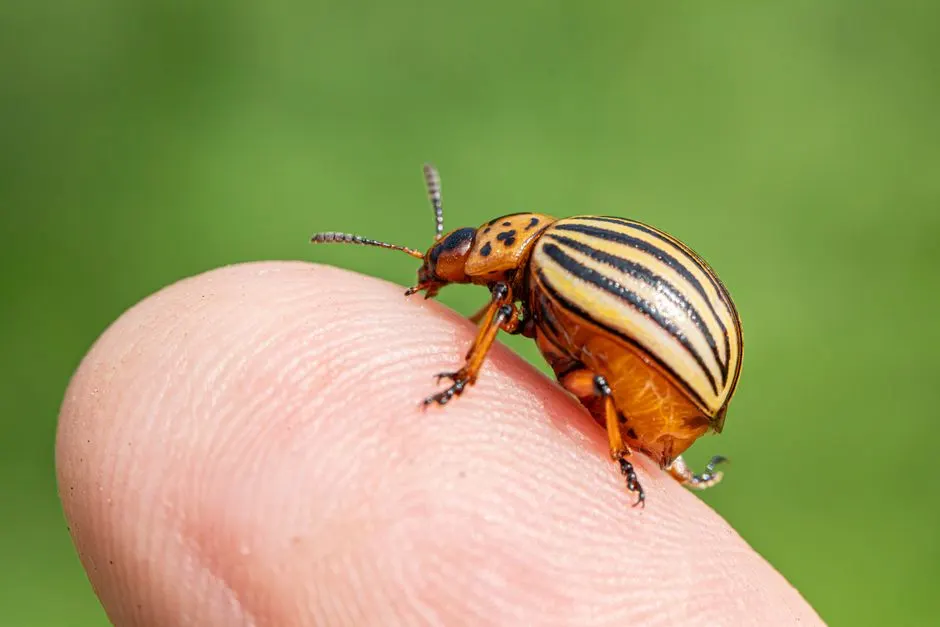
Burrowing damage spreads quickly across a lawn you work hard to maintain. We look beyond the newest mound, locate active routes, and match the response to the animal and property. You get a clear explanation of the work, useful prevention guidance, and a plan based on the actual signs in your yard.
Target Active Runways
We check fresh ridges and probe likely routes rather than treating every patch of turf at random. That targeted approach helps focus service on active areas and reduces disturbance to unaffected sections. For Little Rock mole removal, we also note where activity meets irrigation lines, planting beds, or walkways so you know which areas need close observation.
Protect Turf and Roots
Raised tunnels can loosen roots and leave uneven ground beneath grass, making mowing and walking harder. We identify the extent of the affected area and explain which repairs are appropriate after activity is controlled. A simple record of the number and location of fresh runs gives you a practical way to judge whether the lawn is improving.
Choose the Right Method
Moles and gophers leave different patterns, so diagnosis comes before treatment. We review mound shape, tunnel direction, and fresh soil movement, then select an approach suited to the species and site conditions. That avoids relying on a generic yard mole exterminator Little Rock search result when your property needs a measured inspection.
Plan for Lasting Results
Control is not just a single visit or a quick patch over a ridge. We show you what to watch over the next 7 to 14 days, where to report renewed digging, and how watering or grading can affect observations. You finish with a clear next step instead of guessing whether a new mark is old or active.
Typical 2026 pricing for mole and gopher removal in Little Rock AR ranges from $180 to $450 for many residential visits, with larger or more complex properties priced according to the work required. Cost depends on lawn area, number of active routes, animal identification, access, and whether follow-up monitoring is needed. A targeted visit for one small active zone takes less setup than multiple areas spread across a large property. We explain upfront pricing before work begins, based on the findings and the treatment plan.
Typical Investment Range
$180 - $450 for many residential visits, with larger or complex properties priced by scope
Targeting active routes helps keep labor and treatment focused on the lawn sections that need attention. You receive an explanation of the findings, method, and monitoring steps, so the price reflects identifiable work rather than a generic yard treatment.
What changes the price
Lawn size and layout
A compact yard with one visible activity area takes less inspection and setup than a broad lot with several separated lawns, beds, or slopes. Longer walking routes and multiple treatment locations can increase labor and equipment needs.
Number of active routes
One confirmed runway is different from repeated tunneling across several sections. We check which signs are current and base the work on active locations, not simply the total number of old ridges or mounds visible.
Animal and treatment method
The animal identified and the appropriate control method affect materials, placement, and monitoring. A correct assessment helps avoid applying a method designed for a different burrowing pattern and keeps the service focused on the actual activity.
Access and site conditions
Steep slopes, dense landscaping, wet ground, irrigation hardware, or restricted access can require additional inspection time. We account for these conditions because they affect safe placement and how easily active routes can be checked.
Follow-up requirements
A property with several active zones may need more monitoring than a single localized issue. We explain the observation period and any follow-up work based on what the inspection shows, rather than assuming every lawn needs the same number of visits.
Customer feedback Not rated
A Little Rock homeowner described an inspection that separated active ridges from older lawn damage. The technician marked the routes, explained what to watch for over the next two weeks, and kept the treatment focused near the fresh activity.
Customer feedback Not rated
A customer in Bryant appreciated having the mound pattern explained before treatment. The team checked the garden edge, identified the active area, and provided simple instructions for tracking any new soil movement without disturbing the whole bed.
Customer feedback Not rated
A Benton homeowner said the visit helped resolve confusion about soft turf near irrigation. The technician considered moisture, inspected the ridge, and provided a clear observation plan that made it easier to tell whether fresh activity returned.
Mole and gopher work takes accurate identification, safe equipment placement, and an understanding of how soil and lawn conditions affect activity. Our team brings local experience to properties across Little Rock and the rest of Arkansas, adjusting the inspection for drainage, irrigation, and landscaping. Technicians follow Integrated Pest Management standards and EPA pesticide label compliance where products are used. We do not treat a mound as proof by itself; we check the surrounding evidence, explain the findings, and build the plan around your property rather than a preset package.
Routine and same-week appointments for residents and businesses across Pulaski County, including the ZIP codes below.
We provide mole and gopher control across Arkansas, adjusting inspection and treatment to local soil, lawn layout, drainage, and active signs. From the Little Rock area to communities farther north, south, and east, our technicians focus on the property rather than assuming every yard has the same conditions. Call 877-729-2528 to discuss your location and the damage you are seeing.
In Benton, we inspect fresh ridges and mounds around lawns, beds, and irrigation zones, then target the active area and explain what to monitor.
Bryant service starts with identifying whether turf ridges or soil piles indicate current activity. We map routes and keep treatment focused on affected sections.
In Magnolia, we assess lawn damage alongside soil moisture and drainage, then select a control method suited to the animal and property layout.
Our Pea Ridge visits check fresh tunnel lines and mound patterns before treatment. We give you a location-specific monitoring plan for the days after service.
In De Queen, we distinguish active burrowing from settled or weather-shifted soil and focus service on the routes causing current lawn damage.
Shannon Hills service accounts for lawn grades, planting edges, and visible soil movement. We inspect the affected areas and explain safe follow-up observations.
In Nashville, we identify the likely animal from mound and tunnel evidence, then tailor treatment placement to the active sections of your yard.
Piggott customers receive an inspection of fresh soil signs and suspected runways, with practical guidance for tracking new activity after treatment.
In Little Flock, we assess lawn layout, drainage, and fresh tunnel patterns before selecting a targeted approach that limits unnecessary turf disturbance.
Our Hoxie service focuses on accurate identification and active-route checks, so treatment addresses the burrowing animal responsible for current damage.
In Smackover, we examine fresh mounds, ridges, and soil conditions to determine where activity is current and how to monitor treated areas.
Lake Village visits account for site drainage and lawn moisture when interpreting soil disturbance, then focus control on verified active routes.
In Glenwood, we inspect the affected lawn and nearby landscape features before recommending a method. You receive clear instructions for watching the treated area.
Newark service begins with checking fresh soil movement and comparing mound or tunnel patterns, followed by targeted control and a practical monitoring window.
For Highland properties, we assess active signs, access, and lawn use before treatment, then identify which locations you should check for renewed digging.
Real experiences from customers who chose our Mole & Gopher Control services.
“We had raised lines running across the front lawn and could not tell whether they were old or active. The technician walked the area, checked several routes, and showed us the difference between fresh and settled turf. After treatment, we watched the marked spots for two weeks and saw no new ridges in those sections. The instructions made it easy to keep track.”
Dana M.
Homeowner, Little Rock
“A few soil mounds kept appearing beside our garden beds, and the lawn was getting difficult to mow. The team checked the pattern before setting anything and explained why the animal sign looked different from a mole ridge. They kept the work focused near the active area and told us what to report if new soil showed up.”
Robert K.
Homeowner, Bryant
“We called after finding a fresh tunnel near the walkway and several softer spots in the grass. The inspection was straightforward, and the technician marked the locations we should watch instead of asking us to guess. We received clear guidance on watering and follow-up observations, and the lawn became easier to maintain once new activity stopped.”
Martha L.
Homeowner, Benton
Real answers to the questions we hear most often from local homeowners and property managers.
Moles and gophers damage soil and turf, while mice and rats can enter buildings through small gaps. Our Rodent Control service inspects interior activity and entry points separately, then addresses issues such as mouse entry through wall penetrations or rat activity in attics and crawl spaces.
View Rodent ControlBurrowing damage is distinct from insects inside the home, but both can affect your property at once. General Pest Control can address common indoor pest activity while your mole service focuses on lawn tunnels. We inspect the signs first and match each treatment to the pest and location.
View General Pest ControlMowing or yard work around a mole-damaged lawn can bring you near a concealed wasp or yellow jacket nest. Stinging Insect Control targets those nests using a separate inspection and treatment plan. Tell us about visible flight paths or ground openings when you call.
View Stinging Insect ControlSeasonal insects may enter homes through small gaps as outdoor conditions change, even while a separate service addresses lawn burrowing. Occasional Invader Control checks likely entry points and indoor sightings. We can assess these concerns during a broader property conversation.
View Occasional Invader ControlA German cockroach infestation requires indoor inspection and a different treatment strategy from mole or gopher activity. Cockroach Control focuses on kitchens, bathrooms, and other places where signs appear. We keep the diagnosis specific so lawn treatments are not confused with indoor pest work.
View Cockroach ControlCarpenter ant activity can affect wood around a home, while moles disturb the lawn outside. Ant Control begins by tracing trails and locating likely nesting or entry areas. If you see both ant activity and fresh tunnels, describe each location so we can address the separate problems.
View Ant ControlCall Arkansas Pest Solutions at 877-729-2528 to discuss pest activity at your home or business. Our office hours are Monday through Friday, 8:00 a.m. to 6:00 p.m.; leave a message outside those hours and our team will respond during the next business period. We serve Little Rock, Pulaski County, and communities across Arkansas.
Phone
877-729-2528Address
Simmons Tower, 425 W Capitol Ave, Little Rock, AR 72201, Little Rock, Arkansas
Hours
Mon–Fri: 7AM – 7PM
Sat: 8AM – 4PM
Sun: Emergency Only
24/7 Emergency Available