Arkansas Pest Solutions
Get Estimate

General Pest Control in Arkansas for Lasting Relief

Target common household pests with precise, practical treatments


General Pest Control in Arkansas gives homeowners and property managers a clear plan for common crawling and occasional invading pests. We inspect entry points, identify active pest pressure, and treat the places pests travel or hide. For household pest management Little Rock AR residents can rely on, our team adapts service to the building, infestation signs, and seasonal conditions instead of applying the same treatment everywhere.

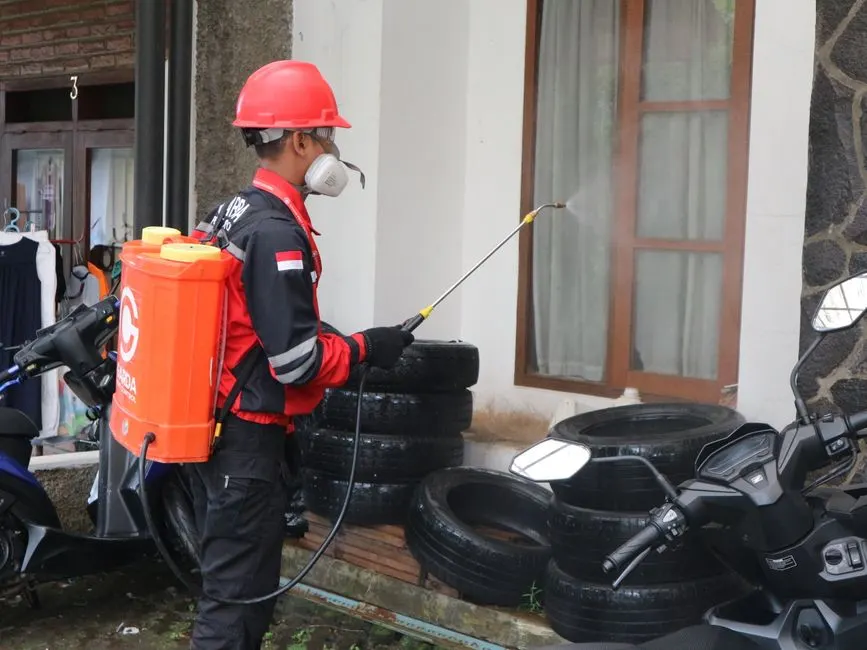
A worker in safety gear sprays disinfectant outside a building, ensuring cleanliness.
Licensed Licensed & Bonded
Fully Insured Insured & Bonded
24/7 Emergency Same-Day Response
Warranty Backed Workmanship Guaranteed in Little Rock

What General Pest Service Covers

A general visit addresses common household pest activity through inspection, targeted treatment, monitoring where useful, and prevention guidance. Coverage depends on the pest and conditions found. Termites, bed bugs, wildlife, fleas and ticks, and established stinging-insect nests need dedicated services because their inspection and treatment requirements differ from routine household pest work.

Interior Activity Check

We inspect rooms connected to reported activity, including kitchens, bathrooms, utility areas, and garages. We look for live insects, trails, droppings, moisture, and likely harborage. You can point out recurring sightings, and we will connect those observations to nearby access routes or conditions.
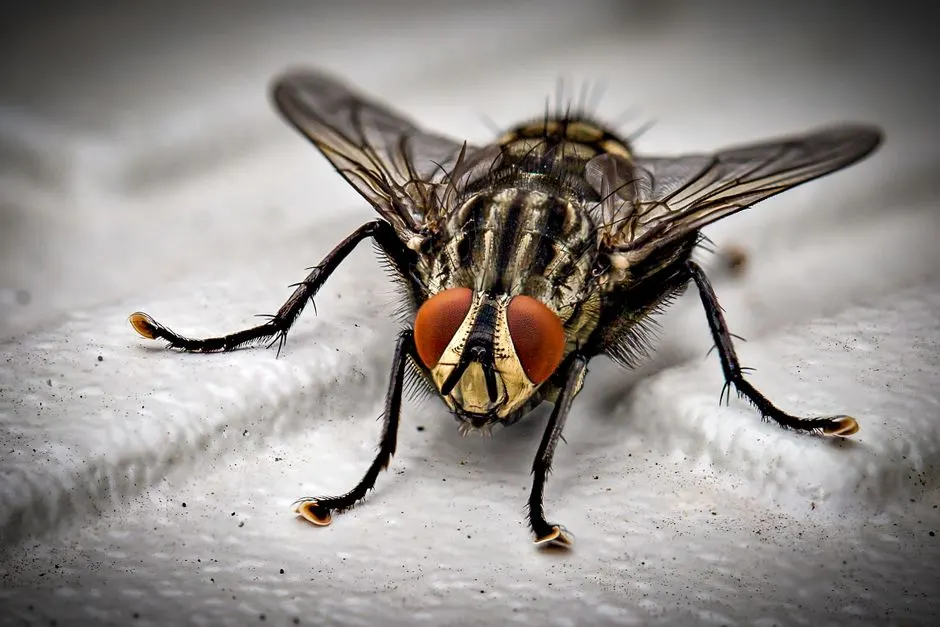
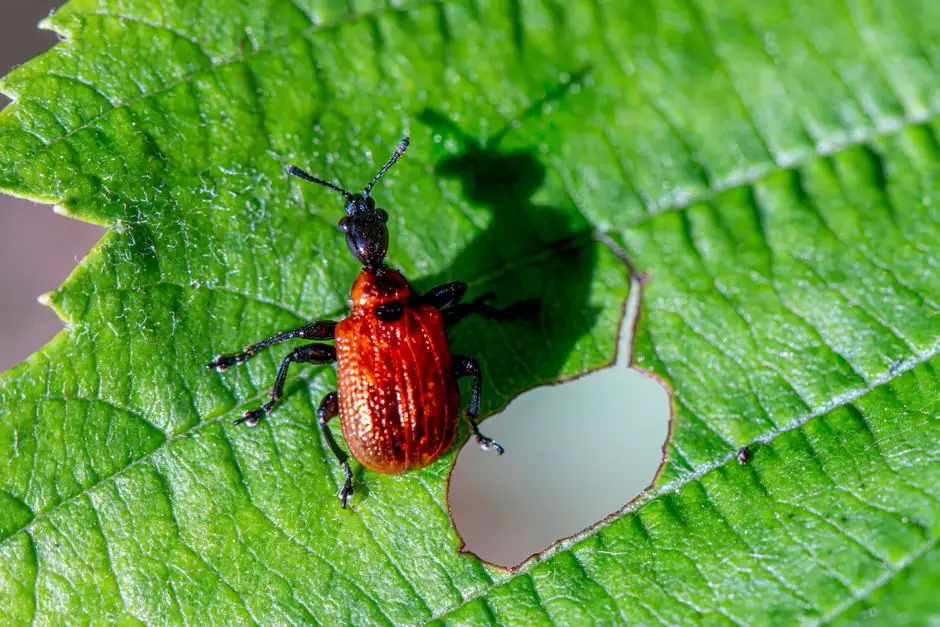
Exterior Entry Review

We check accessible foundation lines, door thresholds, utility penetrations, and other likely entry points. Your technician can identify gaps and explain which repairs deserve priority. Treatment is placed only where appropriate for the pest and the product label.

Targeted Pest Treatment

We select a treatment suited to the pest found and apply it at appropriate sites, such as cracks, crevices, or exterior travel routes. The method is based on inspection findings and product directions. We explain precautions and any required waiting period before the work is complete.

Monitoring and Guidance

When useful, we place monitoring devices to help track activity after treatment and distinguish continuing pressure from an isolated visitor. We also review food storage, moisture control, and sealing priorities. Those steps make it easier to maintain progress between service visits.

General Pest Control in Arkansas, Explained


General Pest Control in Arkansas is a residential pest management service that identifies, treats, and helps prevent common insect and rodent activity around homes. We inspect kitchens, bathrooms, foundations, garages, and accessible utility penetrations, then match treatment to the pest and its location. Service may include targeted exterior applications, crack-and-crevice work, monitoring, and exclusion recommendations. A German cockroach infestation needs a different plan from stink bug overwintering, so we document evidence before choosing products or placement. The goal is to reduce active activity and address the conditions that let pests return.

Little Rock's warm, humid stretches, wet spring weather, and mild periods in fall can keep pest pressure active around homes and outbuildings. Older foundation gaps, plumbing penetrations, stored firewood, and damp crawl spaces create useful routes or harborage. Our general pest control in Little Rock, Arkansas starts with the issue you see, then checks nearby conditions that support it. If you are researching how to keep common household pests out of a Little Rock home, focus first on moisture, food storage, and sealing gaps; service can address active pests while those repairs reduce repeat entry.

What to Expect From Service

General pest service in Little Rock follows a deliberate sequence: identify the pest, inspect the conditions, treat appropriate sites, and set out prevention steps. We keep you involved at each stage, explain preparation in plain language, and focus on areas connected to the activity you reported.

01

Schedule

Call or book online — a real human picks up and confirms a 2-hour arrival window.

02

Diagnose

Licensed tech inspects on-site, then walks you through the cause and your options.

03

Fix

The job is completed to code and done right the first time — no shortcuts, no surprises.

04

Guarantee

Every job backed by a written workmanship warranty — and we stand behind it.

Tools and Treatment Methods

Tools & Equipment

Pest inspection flashlight

A focused beam helps us inspect cabinet corners, utility openings, and dim garage edges for trails, droppings, shed skins, and other evidence that is easy to miss in normal room lighting.

Borescope

Where access and conditions allow, a borescope helps view concealed spaces through a suitable opening. It can help investigate suspected activity without opening a large area of wall or cabinetry.

Moisture meter

We use moisture readings to investigate damp wood or building materials that may support pest harborage. The reading helps identify a moisture concern for correction alongside treatment.

Crack-and-crevice applicator

This tool places product into suitable narrow gaps and joints where pests travel or hide. Precise placement supports targeted work and follows the product label rather than broad, unnecessary application.

Snap trap

A snap trap may be used for rodent monitoring or control in a suitable location. We consider placement, access by children or pets, and the signs found before recommending its use.

Catchmaster insect monitoring glue boards

Insect monitoring glue boards help indicate where crawling insect activity continues after service. Their location and catch pattern can guide follow-up inspection without relying only on occasional sightings.

Methods & Standards

Integrated Pest Management

Integrated Pest Management combines inspection, identification, prevention, monitoring, and targeted treatment. We look for the conditions supporting pest activity, such as access gaps or moisture, and use treatment where it has a clear purpose. You receive practical corrective steps alongside the service so the plan addresses both current activity and repeat risk.

Targeted application

We select application sites based on pest behavior and inspection evidence. Product choice, placement, and precautions follow EPA pesticide label compliance requirements. A focused application avoids treating areas without a reason and lets us explain exactly what was treated and what you should do afterward.

Exclusion and sanitation guidance

Treatment is more durable when pests lose access to food, water, and shelter. We identify repair priorities such as door gaps, plumbing penetrations, and damaged seals, then explain how to address them. Depending on the opening, rodent-proof copper mesh, hardware cloth, or sealant may be appropriate for exclusion work.

When to Schedule General Service

01

You see ants or occasional insects in several rooms, but cannot locate a clear entry point.

What we do: We inspect the rooms where activity appears and follow likely trails toward food, moisture, and exterior access. The technician identifies whether the sightings share a source or represent different pests. We then treat suitable locations and give you a short list of repairs or housekeeping changes tied to the findings.

→ You get a clearer explanation of the activity and a targeted plan instead of repeated guesswork. Monitoring helps show whether the pattern is declining.

02

Your Little Rock home has recurring pest activity after rain or a change in temperature.

What we do: We check foundations, thresholds, window seals, and damp areas that can change with weather. Treatment addresses active pests, while recommendations focus on gaps and moisture. If the issue is seasonal, we explain which conditions to check as weather shifts and when to call again.

→ You know which exterior routes are contributing and what to maintain before the next seasonal increase. That makes future sightings easier to interpret.

03

You are moving into a house and want pest activity checked before unpacking.

What we do: We inspect accessible kitchens, bathrooms, storage areas, garages, and exterior entry points before boxes block access. We look for pest signs and moisture concerns, then treat only where inspection and product directions support it. You receive preparation and monitoring advice for the first days in the home.

→ You can unpack with a documented view of visible pest conditions and a plan for addressing any activity found before storage areas fill.

04

A pantry, garage, or utility room has new droppings, insect trails, or damaged packaging.

What we do: We assess the evidence, identify whether the issue is an insect or rodent problem, and check nearby food, water, and access points. If it requires specialized control, we explain the appropriate service. Otherwise, we treat the relevant sites and outline sanitation and exclusion steps.

→ You get a direct answer about the likely pest and what to do next, helping limit contamination and prevent the problem from spreading.

General Service for Little Rock Homes

Little Rock's long warm season and humid conditions can support ants, roaches, and other household pests around food, water, and shaded foundations. As October brings cooler nights, stink bugs and other occasional invaders may seek protected gaps around windows, doors, and rooflines. We adjust inspection priorities to the season and the structure, including crawl-space homes, brick exteriors, garages, and newer slab foundations. Household pest management Little Rock AR homeowners receive starts with the site, not a fixed route of treatment. In Pulaski County, the mix of older construction and newer subdivisions means utility penetrations, settling joints, and worn door seals vary from house to house. We inspect accessible areas, note moisture, and follow Arkansas pesticide requirements and product label directions. For a recurring concern, monthly general pest control Little Rock AR customers ask about is not automatically the right interval; pest type, monitoring results, and label instructions determine the schedule. We serve Little Rock ZIP codes 72211 and 72210, as well as 72223 and other listed areas, and explain the relevant preparation before treatment.

Neighborhoods We Serve

  • Hillcrest

    Older homes and mature landscaping can create shaded foundations and more exterior joints to inspect. We check window seals, porch thresholds, and vegetation close to the structure when seasonal invaders appear.

  • Chenal Valley

    Larger homes, garages, and landscaped edges can create multiple pest entry points. We inspect door seals, utility penetrations, and irrigation-related moisture where activity has been reported.

  • South Main

    A mix of renovated and older buildings means conditions can differ from one property to the next. We focus on accessible plumbing openings, shared walls, and food or moisture sources tied to sightings.

  • West Little Rock

    Garages, patios, and landscaped foundation beds often meet at several entry routes. We check thresholds and exterior transitions when ants or occasional invaders appear indoors.

Local Conditions We Plan For

  • Humid weather keeps damp crawl spaces and cabinet leaks important to inspect

    Moisture can support pest harborage and make a small leak more than a plumbing concern. We check accessible damp areas and explain where drying, repair, or ventilation should come before or alongside treatment.

  • Fall temperature swings encourage insects to shelter around doors and windows

    As nights cool, occasional invaders may gather at exterior walls and enter through worn seals. We inspect likely gaps and recommend repairs that reduce access while treating appropriate active sites.

  • Older utility penetrations can connect indoor rooms with crawl spaces

    Openings around pipes and cables provide travel routes for insects or rodents. We identify visible gaps and explain which sealing material or dedicated exclusion work suits the opening and pest involved.

Ants Removed From the Kitchen Route

Before

A homeowner noticed a trail of ants along the counter each morning and occasional insects near the back door. Wiping the surface cleared the visible line, but activity returned by the next day. The likely route involved an exterior threshold and food residue close to the sink.

After

We traced the trail, treated suitable locations, and identified the threshold gap for repair. The homeowner reported no renewed trail during the following 10 days and sealed dry goods in containers. The result came from treating the route and removing the conditions that kept attracting foragers.

Maintenance: Keep counters dry overnight, store opened food in sealed containers, and check the threshold after heavy rain. If a trail returns for more than a few days, note its location and call so we can reassess the source.

Before

Small roaches appeared in a bathroom cabinet and beneath the kitchen sink after a slow plumbing drip went unnoticed. Two rooms had sightings, and stored cleaning supplies made the cabinets difficult to inspect. The damp cabinet provided a sheltered area close to water.

After

We inspected both cabinets, treated appropriate sites, and showed the homeowner where the moisture was accumulating. After the leak was repaired and clutter moved, monitoring showed reduced activity over the next two weeks. Continued signs would trigger a focused cockroach assessment rather than repeated general treatment.

Maintenance: Check under sinks once a week for leaks, dry standing water, and keep cabinet contents easy to inspect. Leave monitoring devices in the recommended spots and report any continuing catches or daytime sightings.

Before

As fall temperatures dropped, stink bugs gathered around two windows and appeared in an upstairs room. The window seals had separated in places, creating narrow openings. Vacuuming removed visible insects but did not prevent new ones from entering.

After

We inspected the window edges and exterior trim, treated suitable areas, and identified the loose seals for repair. After weatherstripping was replaced, the homeowner reported substantially fewer indoor sightings over the following three weeks. The inspection also established which windows needed a seasonal check.

Maintenance: Inspect window seals and door sweeps before colder nights, and keep screens fitted without tears. Remove insects with a vacuum rather than crushing them indoors, then contact us if activity continues after the gaps are repaired.

Solve Common Home Pest Problems

Pest sightings are often the first visible sign of a nearby food, water, or shelter source. We investigate the conditions behind the activity so your treatment addresses more than the insect or rodent you spotted. Here are common Little Rock problems we handle through general service or a focused referral.

Problem

Ant trails return beside the kitchen sink each morning

The trail can lead to a recurring food or water source, and activity may spread into cabinets or adjoining rooms if the route remains open.

Our Fix

We trace the trail, inspect nearby plumbing and counter gaps, and identify likely entry points. Treatment is matched to the ant activity and placed in suitable locations. We also show you how to remove food residue, manage moisture, and close the route so the colony has fewer reasons to forage indoors.

Problem

Mice leave droppings near pantry shelves and wall openings

Rodents can contaminate stored food, damage packaging, and continue moving through wall penetrations even after a single animal is removed.

Our Fix

We inspect the pantry, utility penetrations, and accessible routes for rodent evidence. Where appropriate, we discuss a snap trap or a protected bait station and recommend sealing openings with suitable materials. If activity is extensive or involves hidden spaces, we connect the issue to dedicated Rodent Control rather than treating it as routine insect activity.

Problem

Cockroaches appear under sinks after humid weather

Warm, damp cabinets provide shelter and water; repeated sightings can indicate a harborage that routine surface cleaning alone will not remove.

Our Fix

We examine the cabinet, plumbing, and nearby heat or moisture sources, then determine whether the activity fits a general service or a German cockroach infestation needing dedicated control. Targeted placement and monitoring help track response. We also identify leaks or stored clutter that should be corrected to make the area less suitable.

Problem

Stink bugs collect around windows before colder nights

Gaps around frames allow insects to enter and settle in wall voids, where they may reappear indoors during warm spells or later in the season.

Our Fix

We inspect window edges, exterior trim, and other likely openings, then apply appropriate treatment to suitable sites. We point out loose seals and recommend repairs such as weatherstripping or silicone sealant where appropriate. Reducing access helps limit the next wave of seasonal invaders.

Fewer Pests, Clearer Answers

Fewer Pests, Clearer Answers

General pest service works best when it connects the pest sighting to its source. We explain what we found, where treatment is placed, and which simple changes will make the result last. You get a practical plan for the home you have, not a generic spray routine.

  • Treat the Actual Pest

    We identify pest signs before selecting a treatment, because ants, roaches, and occasional invaders use different routes and respond to different placements. For a Little Rock home pest prevention service, we check both indoor evidence and likely exterior access points. That helps keep treatment focused instead of applying product broadly where it will not solve the source.

  • Reduce Repeat Entry

    A residual treatment cannot close a gap under a door or around a pipe. We point out practical exclusion work, such as door sweeps, weatherstripping, and sealing small penetrations, then explain which repair matters first. Closing a handful of active routes can make a measurable difference between scheduled visits.

  • Plan Around Your Home

    A slab foundation, crawl space, attached garage, and detached shed create different inspection priorities. We tailor general pest management Little Rock customers receive to the property layout, current pest evidence, and household routines. You will know which rooms need attention and whether pets or stored items need to be moved before treatment.

  • Know What Happens Next

    After treatment, we explain expected pest activity, cleanup steps, and the signs that warrant a follow-up. For example, monitoring glue boards can help distinguish a passing insect from continued activity. Clear instructions let you track progress without guessing whether a sighting means the treatment failed.

General Service Pricing

In 2026, a single general pest visit for a typical Little Rock home may range from $150 to $450, with the final price based on property size, pest type, access, and treatment requirements. General pest control in Little Rock, Arkansas costs more when activity is established, multiple areas need treatment, or follow-up monitoring is necessary. A smaller home with a limited, accessible issue often costs less. We explain the price before service; specialized termite, bed bug, wildlife, or extensive rodent work is priced as a separate service.

Typical Investment Range

$150-$450 for a typical single visit; final price depends on home size, pest, access, and follow-up needs.

The price covers inspection and targeted work tied to the pest evidence, not a blind application across every room. Addressing entry and moisture conditions can reduce repeat calls and helps you understand what the treatment is meant to accomplish.

What changes the price

01

Home size and layout

More rooms, multiple levels, detached garages, and difficult-to-access spaces increase inspection and treatment time. A compact home with activity in one area is usually faster to assess than a larger property with several outbuildings or a crawl space.

02

Pest and activity level

A few occasional insects require a different response from a sustained trail or established infestation. The pest's behavior, likely harborage, and need for monitoring affect both the treatment method and the time required.

03

Access and preparation

Blocked cabinets, stored items, locked areas, or hard-to-reach exterior sites can add labor because the technician needs safe access to inspect and treat appropriate locations. Clearing the affected area before service can make the visit more efficient.

04

Follow-up requirements

Some pest problems respond to one visit; others need a second check or scheduled monitoring. The treatment label, pest life cycle, and activity found guide the timing. We explain the recommended next step and its cost before proceeding.

05

Exclusion repairs

Sealing a door gap or small penetration may be straightforward, while damaged trim or multiple structural openings require more work. Exclusion is priced according to the materials and repair involved, separately from treatment when the repair requires additional labor.

Standards Behind Our Work

Licensed & Certified

  • Arkansas Department of Agriculture pesticide applicator license — issued by Arkansas Department of Agriculture
  • Structural pest control certification — issued by Arkansas Department of Agriculture
  • Integrated Pest Management standards — issued by National Pest Management Association

Verified Reviews

Customer feedback Not stated

A Little Rock homeowner described how our technician followed ant activity from the kitchen to a gap at the back threshold. The visit included targeted treatment and practical sealing advice. The homeowner reported that the trail did not return during the next 10 days.

Customer feedback Not stated

A Pulaski County customer appreciated that we inspected a damp cabinet before choosing treatment for roach activity. We identified a plumbing drip, explained the role of moisture, and reviewed monitoring steps after the repair. The customer said the service addressed the cause as well as the sighting.

Customer feedback Not stated

A Little Rock resident called about stink bugs near upstairs windows. Our technician checked the seals, treated appropriate areas, and pointed out weatherstripping that needed replacement. The homeowner later reported fewer indoor sightings and a clear list of windows to check before colder weather.

Field Knowledge, Applied Carefully

Arkansas Pest Solutions approaches each home as a distinct pest environment. Our technicians use inspection findings, product labels, and Integrated Pest Management standards to choose practical control measures. Arkansas Department of Agriculture pesticide applicator license requirements govern pesticide application in the state, and our work follows applicable training and label directions. We do not claim a founding date or a number of years in business; our focus is the inspection in front of us, the pest evidence we can verify, and a treatment plan suited to your property.

  • We identify the pest and its likely source before recommending treatment, separating active infestation signs from occasional outdoor visitors.
  • Technicians follow EPA pesticide label compliance requirements for product placement, protective measures, and any stated re-entry instructions.
  • Integrated Pest Management standards guide our combination of inspection, targeted treatment, monitoring, sanitation, and exclusion.
  • We look for rodent activity, moisture, and access routes rather than treating visible evidence as the whole problem.
  • Service notes explain the areas treated and the practical prevention steps you can take between visits.
Get Started Today
Field Knowledge, Applied Carefully
Service Area

Pest Control Coverage Across Little Rock & Pulaski County

Routine and same-week appointments for residents and businesses across Pulaski County, including the ZIP codes below.

72211722107221272223722277220972202722017220672207722047220572103722157221772219722227222572231722557226072295

Cities We Serve Across Arkansas

Arkansas Pest Solutions provides General Pest Control in Arkansas across communities with different building styles, moisture patterns, and seasonal pest activity. We adapt inspection and treatment to what is found at your property rather than assuming every town has the same conditions. From household pest management Little Rock AR homeowners request to service in smaller communities, call 877-729-2528 to discuss the pest and location. Our coverage includes the following cities and communities.

Fayetteville

We inspect foundation gaps, garages, and shaded exterior areas for common household pests, then tailor treatment to activity and the home's construction.

Bella Vista

Homes near wooded edges can see seasonal invaders and ants. We check thresholds, window seals, and exterior transitions before selecting a targeted treatment.

Siloam Springs

Our service starts by locating pest activity and its likely source, including food, moisture, and entry gaps around kitchens, garages, and foundations.

Camden

We assess indoor sightings alongside exterior access points and damp areas, then explain treatment and practical prevention steps for the property.

Stuttgart

We inspect homes for common insects and rodents, paying attention to storage areas, door gaps, and moisture conditions that support pest activity.

Cave Springs

Technicians review likely entry routes and reported rooms, then place treatment according to pest evidence and applicable product directions.

Dardanelle

We connect pest sightings to nearby shelter, water, or food sources and recommend focused treatment with repairs that help limit repeat entry.

Landmark

Service begins with an inspection of accessible interior and exterior areas, followed by a plan matched to the pest and property conditions.

Marianna

We inspect common travel paths around kitchens, utility openings, garages, and foundations, then explain monitoring and prevention after treatment.

DeWitt

Our technicians identify the pest first, check likely entry points, and treat suitable sites rather than applying the same approach to every home.

North Crossett

We investigate household pest activity and seasonal invaders, checking door seals, windows, and other openings that may allow pests indoors.

Bay

We tailor general service to the activity reported, inspect nearby food or moisture sources, and provide practical steps to reduce pest access.

Cave City

Technicians check the affected rooms and accessible foundation areas, then match treatment and monitoring to the evidence found at your property.

Clarendon

We assess insect or rodent signs, identify likely entry routes, and explain which treatment and exclusion steps address the problem.

Des Arc

Our team inspects reported activity and surrounding conditions, then provides targeted service and prevention guidance suited to the home's layout.

Homeowner Service Stories

Real experiences from customers who chose our General Pest Control services.

“We kept seeing ants along the kitchen counter and near the back door. The technician checked the outside wall, found a gap near the threshold, and treated the areas connected to the trail. We also got clear instructions about wiping the counter and sealing dry goods. The activity dropped over the following week, and we knew what to watch for next.”

M

Megan R.

Homeowner, Little Rock

“Small roaches showed up under the sink after a plumbing leak. The technician inspected the cabinet and nearby bathroom, explained why the damp area mattered, and placed treatment where activity was found. We repaired the drip and followed the preparation guidance. The visit felt specific to our house, not like someone simply spraying every room.”

D

David L.

Homeowner, Pulaski County

“Stink bugs were collecting around two upstairs windows as fall weather arrived. The technician checked the window edges and exterior trim, treated appropriate spots, and showed us where the seals had pulled away. We replaced the weatherstripping afterward. We now see far fewer insects indoors and have a clear plan for checking those windows.”

A

Angela T.

Homeowner, Little Rock

General Pest Control Questions

Real answers to the questions we hear most often from local homeowners and property managers.

What does general pest control include in Little Rock?
General pest control in Little Rock includes an inspection, identification of common pest activity, targeted treatment, and prevention guidance. We check areas such as kitchens, bathrooms, garages, foundations, and accessible utility openings. The exact service depends on the pest found; termites, bed bugs, wildlife, and established infestations may require a dedicated service. We explain treatment locations and any label-based preparation or re-entry instructions before work begins.
How often should a Little Rock home have pest treatment?
Many homes use a service interval of 60 to 90 days, while active or recurring pest pressure may call for closer monitoring. The right timing depends on the pest, weather, construction, and product label directions. We review activity at each visit and adjust the plan instead of relying on a calendar alone. Seal gaps, manage moisture, and store food securely between treatments to reduce conditions that support pests.
Who offers household pest management in Little Rock AR?
Arkansas Pest Solutions provides household pest management in Little Rock AR, with inspections and treatment plans for common household pests. Call 877-729-2528 to describe the pest, the room or area affected, and how often you see activity. We use that information to prepare for the inspection and explain the next step. For a focused visit, share photos or save a safely captured insect if you can do so without handling it.
Is routine exterminator service safe for families and pets?
Routine exterminator service is planned around the product label, application site, and your household's needs. Before treatment, tell us about children, pets, aquariums, or sensitivities so we can explain preparation and any stated re-entry interval. Keep people and animals away from treated areas for the time specified on the label or by the technician. We use targeted placement where appropriate and provide instructions before the service is complete.

Related Pest Services

Rodent Control

Rodent signs call for more than a general insect treatment. We inspect for droppings, gnawing, and access points, then discuss suitable trapping and exclusion. Mouse entry through wall penetrations can continue until openings are addressed, so general service may lead to a focused rodent plan.

View Rodent Control

Stinging Insect Control

Wasps and yellow jackets near a doorway, eave, or play area need careful nest assessment. We identify nest location and activity before choosing a treatment approach. General service can flag the issue, while dedicated stinging insect work addresses the nest and reduces exposure around busy entryways.

View Stinging Insect Control

Occasional Invader Control

Stink bugs and other occasional invaders often gather near windows or enter around worn seals as temperatures shift. We inspect likely gaps and address the pattern with targeted treatment and exclusion guidance. This service fits homes where seasonal visitors appear despite routine housekeeping.

View Occasional Invader Control

Cockroach Control

A German cockroach infestation can spread through kitchens, bathrooms, and shared walls. Dedicated cockroach service focuses on harborage, sanitation conditions, and monitoring rather than relying on broad exterior treatment. We assess the evidence and recommend a focused plan when sightings indicate an established population.

View Cockroach Control

Ant Control

Ant trails often point to a food source or entry gap, but the visible line may not show the colony location. We trace activity, identify likely access routes, and select appropriate treatment. General service can address occasional ants; persistent trails may need a dedicated ant plan.

View Ant Control

Wildlife Removal

Scratching in an attic or damaged soffit may indicate wildlife entry rather than a common household pest. We distinguish wildlife signs from rodent activity and connect the issue to the appropriate removal service. After entry is resolved, exclusion work helps protect the structure from repeat access.

View Wildlife Removal

Get General Pest Control in Arkansas

Tell us what you are seeing and where it appears; our team will help identify the right service and next step. Our technicians follow label directions and explain treatment instructions before leaving. Call Arkansas Pest Solutions at 877-729-2528 to schedule an inspection.

Call Today Schedule Service

Contact Arkansas Pest Solutions

Call Arkansas Pest Solutions at 877-729-2528 to discuss pest activity at your home or business. Our office hours are Monday through Friday, 8:00 a.m. to 6:00 p.m.; leave a message outside those hours and our team will respond during the next business period. We serve Little Rock, Pulaski County, and communities across Arkansas.

Or call us right now at 877-729-2528 — we answer.

Arkansas Pest Solutions


  • Phone

    877-729-2528
  • Address

    Simmons Tower, 425 W Capitol Ave, Little Rock, AR 72201, Little Rock, Arkansas

  • Hours

    Mon–Fri: 7AM – 7PM
    Sat: 8AM – 4PM
    Sun: Emergency Only
    24/7 Emergency Available

Call 877-729-2528 Get Quote
Call Quote