
Activity Inspection
We check the locations tied to your report, including carpet edges, pet resting areas, furniture seams, and shaded yard borders. The findings guide which spaces need attention and help avoid treating areas without a clear reason.
Flea and tick service includes an inspection of reported activity, identification of likely indoor and outdoor harborage, targeted applications to suitable labeled sites, and clear preparation and re-entry instructions. The technician may recommend laundering, vacuuming, or vegetation cleanup as part of the plan. Veterinary care and pet medications are handled by your veterinarian, and work on unrelated pests requires its own inspection and treatment plan.
We check the locations tied to your report, including carpet edges, pet resting areas, furniture seams, and shaded yard borders. The findings guide which spaces need attention and help avoid treating areas without a clear reason.
We apply suitable products to labeled indoor or outdoor sites where inspection indicates flea or tick activity. Application method and placement depend on the surface and pest, with attention to people, pets, and routine use of the space.
You receive practical instructions for vacuuming, clearing access, handling pet bedding, and removing food or toys from treatment zones. We explain the steps before application so you can prepare the affected rooms without unnecessary disruption.
After treatment, we review the label-directed time away from treated areas, drying expectations, ventilation, and cleaning schedule. You will know which surfaces to avoid and when normal household use can resume.
We point out conditions that can contribute to repeat activity, such as accumulated leaves, dense vegetation, or untreated pet resting materials. You receive specific upkeep steps tied to the inspection rather than a generic checklist.
Flea and Tick Control Little Rock AR is a pest management service that identifies and treats flea and tick activity in living areas, pet-resting zones, and suitable outdoor harborage. Fleas develop through egg, larval, pupal, and adult stages, so treating only visible adults often leaves a new generation behind. We inspect carpet edges, upholstery seams, floor gaps, shaded soil, and vegetation near animal routes, then select labeled products and application methods for the surfaces involved. A HEPA vacuum can remove debris and some life stages before treatment; thorough follow-up and household cleaning help interrupt the cycle.
Warm, humid stretches in Pulaski County support flea and tick activity, while leaf litter, shaded fences, and pets moving between indoors and outdoors create convenient pathways. In older homes, floor gaps and crawl-space access can complicate inspection; in newer subdivisions, landscaped borders often hold the activity. For professional flea removal for Little Rock homes, we map where people and pets spend time, explain what to move, and focus treatment on registered-use areas. The goal is a measured plan, not indiscriminate spraying.
Flea and tick service in Little Rock follows a practical sequence: identify activity, prepare the right areas, apply treatment according to the label, and review what happens next. Most visits take about 1 to 3 hours, depending on the home, yard, and level of activity.
Schedule
Call or book online — a real human picks up and confirms a 2-hour arrival window.
Diagnose
Licensed tech inspects on-site, then walks you through the cause and your options.
Fix
The job is completed to code and done right the first time — no shortcuts, no surprises.
Guarantee
Every job backed by a written workmanship warranty — and we stand behind it.
Pest inspection flashlight
We use a focused beam to inspect carpet margins, furniture seams, floor gaps, and shaded outdoor spaces where small signs of activity are easy to miss.
HEPA vacuum
Vacuuming removes debris and can collect some flea life stages from carpets and upholstery before treatment. We explain how to handle the contents and when to vacuum again.
Crack-and-crevice applicator
This tool places a labeled product precisely into suitable narrow gaps and protected seams, avoiding broad application where inspection does not support it.
Compressed-air sprayer
A calibrated sprayer applies labeled liquid products to appropriate indoor or outdoor surfaces. The technician controls placement and follows product directions for the target site.
Catchmaster
Where suitable monitoring is useful, Catchmaster insect monitoring glue boards can help track insect activity in protected locations. They support observation and do not replace treatment or inspection.
Integrated Pest Management
We identify the pest, inspect contributing conditions, and treat only suitable sites supported by findings. Sanitation and habitat steps work alongside application, so the plan addresses both current activity and the conditions that help it persist.
Life-cycle focused flea treatment
Flea management accounts for eggs, larvae, pupae, and adults, including protected stages that may emerge after a visit. We treat labeled locations and explain why vacuuming and follow-up observation matter over the next days and weeks.
Targeted tick-edge treatment
For confirmed yard activity, we focus on shaded vegetation, leaf litter, and the lawn-to-brush transition where people or pets travel. We pair any treatment with practical landscape recommendations and follow the product label for the site.
EPA label compliance
Each application follows the product label for approved sites, use directions, protective measures, and re-entry. We explain those directions in plain language before you resume normal use of treated spaces.
01
What we do: We inspect the routes your dog uses and the vegetation or leaf litter beside them. If tick activity is confirmed, we recommend targeted treatment for suitable outdoor zones and point out where trimming or clearing debris will improve the result. Your veterinarian can advise on pet-specific prevention.
→ You get a clearer picture of where ticks are entering the routine and which yard edges need attention, rather than treating open lawn indiscriminately.
02
What we do: We inspect the pet's resting area, nearby floor seams, and connected rooms to identify the extent of indoor activity. Our technician explains preparation, treats labeled locations, and gives you a cleaning sequence that supports the work without disrupting every room.
→ You know which spaces were treated, when they can be used again, and what to monitor over the next several days.
03
What we do: We examine floor coverings, pet areas, and likely harborage before you unpack belongings into affected rooms. The technician identifies the treatment zones and gives you a practical access plan, allowing service to happen before rugs, boxes, and furniture make inspection harder.
→ You can address the known activity early and settle into the home with a specific plan for treated rooms and follow-up monitoring.
04
What we do: We inspect for developing flea stages and check whether the pet's resting locations or adjacent carpet were missed. We coordinate premises treatment with your cleaning routine and explain what normal emergence can look like after application. Veterinary guidance remains important for the animal.
→ You receive a source-focused plan that separates household treatment from pet care and clarifies when continued sightings warrant another check.
Flea and Tick Control Little Rock AR needs to account for humid conditions, wooded edges, and the mix of older homes and newer construction across the metro. October brings cooler days, but leaf litter and sheltered pet areas still deserve attention; activity can rise again as temperatures warm in spring. In Pulaski County, a shaded lot or a dog run beside a fence can hold different conditions from a sunny, open lawn. We inspect the property you have, not a generic map of the city. For flea and tick treatment Little Rock AR, we check interior resting zones, entry routes, and outdoor edges before setting the treatment plan. Little Rock's ZIP areas 72210 and 72227 include varied home layouts, while homes in 72223 may have larger landscaped areas to inspect. We follow Arkansas pesticide requirements and product labels, and we give you directions tied to the actual application. If you ask about affordable flea exterminator service Little Rock, we explain the factors that affect price and focus on confirmed areas rather than expanding the work without a reason.
Hillcrest
Older homes and mature landscaping can create shaded edges and protected floor gaps. We check pet resting areas and likely entry routes before choosing indoor or yard treatment.
Chenal Valley
Larger yards and landscaped borders call for a careful look at where pets cross between lawn, shrubs, and patios. Treatment focuses on confirmed activity and labeled sites.
The Heights
Tree cover and established gardens can leave cool, sheltered patches near walkways. We inspect those transitions along with indoor pet areas when tick activity is reported.
Riverdale
Homes near green spaces can have regular outdoor pet routes. We look at the actual yard and access points, then explain whether indoor treatment, outdoor work, or both fit the findings.
Humid summers and shaded vegetation support seasonal pest activity
Warm, damp conditions can favor flea development in protected areas, while shade and leaf litter give ticks cover. We focus inspection on sheltered microhabitats and adjust recommendations to the season and property.
Mixed home ages create different indoor inspection needs
Older floor gaps, carpet transitions, and crawl-space access differ from newer sealed construction. We check the features present in your home and avoid assuming that one treatment layout fits every Little Rock property.
Pets move between yards, parks, and indoor resting areas
Fleas or ticks can arrive on pets and settle near favorite beds, entryways, or outdoor routes. We connect those locations during inspection and recommend coordinating premises treatment with veterinary prevention.
Flea and tick problems persist when eggs, protected development sites, or outdoor travel routes remain untreated. We inspect where pests are active, explain the likely source, and match the work to the property. For how to get rid of fleas after treating pets in Little Rock, coordinate veterinary care with home inspection and treatment rather than relying on pet medication alone.
Problem
Eggs and immature stages in carpet or resting areas can continue developing, so adult fleas may reappear even after the pet's medication has been applied.
Our Fix
We inspect pet resting zones, carpet margins, and nearby furniture seams to locate the household source. Your technician treats suitable labeled sites and explains vacuuming and laundering steps that support the application. We also recommend discussing pet prevention with your veterinarian, since our service treats the premises rather than the animal.
Problem
Ticks can hitchhike on people or animals from brush and leaf litter, creating repeated encounters near doors, pet beds, and frequently used paths.
Our Fix
We trace the likely route from outdoor vegetation to the home and check shaded edges where activity is more likely. If inspection supports treatment, we focus on appropriate yard zones and explain trimming and debris removal. The plan targets the transition areas rather than treating the entire lawn without cause.
Problem
Household cleaning helps but may not reach protected cracks or all life stages, leaving you uncertain whether the source is indoors, outdoors, or elsewhere.
Our Fix
We identify the pest and map the affected rooms before selecting treatment. A focused inspection helps separate flea activity from other biting pests and reveals whether pet routes, upholstery, or yard access is the likely contributor. We then give you a treatment and monitoring plan with clear follow-up steps.
Problem
People and pets moving between rooms can carry flea eggs or adults, allowing activity to extend beyond the first pet-resting area and complicating cleanup.
Our Fix
We check the original activity zone and connected pathways, then prioritize locations with signs or routine pet use. We explain how to prepare each treated room and which vacuuming schedule supports control. If signs point to a larger spread, the treatment plan reflects the additional rooms rather than assuming one spot is enough.
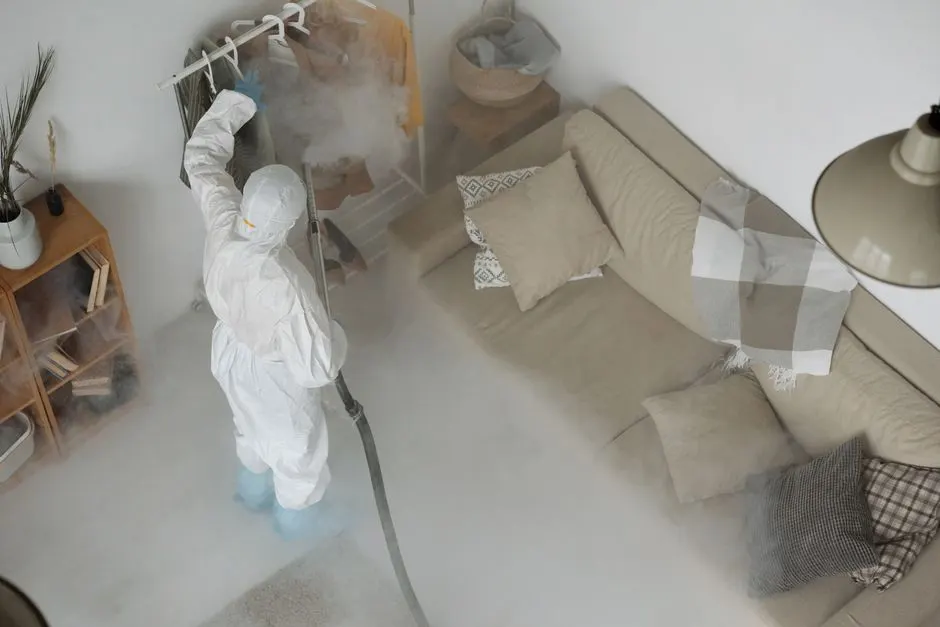
A good treatment plan addresses the source and the places pests use, so you know what is being treated and what to do next. We connect inspection findings to targeted indoor and outdoor work, then give you clear re-entry and cleaning directions.
Treat More Than Adults
Flea eggs and immature stages hide in bedding, carpet, and protected cracks. Our inspection and treatment plan accounts for those locations instead of chasing only the adult fleas you see. If activity continues, we explain whether normal emergence from protected stages or a missed source is more likely and what follow-up makes sense.
Focus on Pet Routes
Your pet's bed, favorite resting corner, and the doorway used after walks can reveal where fleas are accumulating. We prioritize those high-contact areas and ask you to wash washable bedding using the care label. That puts treatment effort where your household is actually encountering pests.
Address Yard Edges
Ticks often wait in shaded vegetation, leaf litter, and along the edge between lawn and brush rather than across every open patch of grass. We inspect these transitions and identify practical trimming or debris-removal steps. Yard tick control in Little Rock is most useful when treatment follows the places people and pets cross.
Clear Re-entry Steps
You receive direct instructions for people, pets, treated surfaces, and ventilation based on the product label. We explain when treated areas are ready for normal use and which cleaning tasks should wait. Clear timing reduces accidental contact and prevents premature cleaning from undoing the application.
Typical 2026 pricing for flea and tick service in Little Rock ranges from $180 to $450 for many standard residential jobs. The final price depends on the number of affected rooms, yard size, pest pressure, access, and whether a follow-up visit is needed. A focused treatment of one room costs less than a combined indoor and extensive outdoor service. We inspect the reported activity, explain the price upfront, and recommend work based on the findings. A Little Rock flea exterminator plan should address likely sources without adding unrelated treatment.
Typical Investment Range
$180-$450 for many standard residential treatments; larger or multi-visit jobs are priced by scope
The price covers inspection, targeted application, and practical preparation and re-entry guidance. Treating the locations tied to activity helps avoid spending on areas that the findings do not support.
What changes the price
Number of affected rooms
One carpeted bedroom and its pet-resting area require less preparation and application than several connected rooms. We inspect the reported locations and adjacent routes so the price reflects the work needed, not an automatic whole-house treatment.
Yard size and layout
Outdoor pricing depends on the area with confirmed activity, vegetation density, access, and the length of shaded borders. A small targeted fence line differs from a large property with multiple pet routes and brush edges.
Level of pest activity
A few localized sightings call for a different amount of work than widespread activity across rooms or a heavily used yard. Inspection findings help us choose appropriate treatment areas and determine whether follow-up should be included.
Preparation and access
Clear floors and accessible pet resting areas help the technician inspect and treat efficiently. If furniture, stored items, or dense landscaping blocks the target sites, additional labor may be needed to reach the areas safely.
Follow-up requirements
Flea development can produce later emergence from protected stages, and some properties need a second visit based on findings and product directions. The plan and cost reflect the visits required for the specific activity and treatment.
Customer feedback Not stated
A Little Rock homeowner described a clear inspection of carpet edges and pet bedding, followed by direct preparation instructions. The technician explained when the rooms could be used again and what to vacuum afterward. The family valued knowing why those areas were treated.
Customer feedback Not stated
A Pulaski County customer reported ticks along a shaded fence and appreciated that the technician walked the yard instead of recommending a blanket lawn application. The advice to clear leaf litter and trim the border made the treatment plan easier to maintain.
Customer feedback Not stated
A Little Rock resident called after flea sightings continued despite routine cleaning. The inspection narrowed the concern to a pet resting area and nearby carpet. The customer said the follow-up explanation about flea life stages made the next steps understandable.
Our technicians approach flea and tick activity as a life-cycle and habitat problem, not simply a need to spray. We inspect the home and yard, distinguish likely flea sources from tick travel routes, and choose methods that match the surface and label directions. Arkansas pesticide work is governed by state requirements, including the Arkansas Department of Agriculture pesticide applicator license framework. We follow EPA pesticide label compliance and Integrated Pest Management standards, pairing targeted applications with sanitation and habitat recommendations. You get clear preparation, access, and re-entry instructions before the visit is complete.
Routine and same-week appointments for residents and businesses across Pulaski County, including the ZIP codes below.
Arkansas Pest Solutions provides flea and tick service across Arkansas, with local inspections shaped around each property's home, yard, and pest activity. From central Pulaski County to communities across the state, we plan treatment around indoor resting areas, shaded outdoor edges, and the routes people and pets use. Our flea and tick treatment in Arkansas connects inspection, label-directed application, and practical prevention guidance. These city pages help you find service information for your community.
We inspect pet resting areas and shaded yard borders in Pine Bluff, then focus treatment on confirmed activity and suitable labeled sites.
Searcy homes receive an indoor and outdoor assessment based on where pets travel, where fleas are seen, and whether ticks are active along vegetation.
For Batesville properties, we check carpet edges, pet bedding, and yard transitions, pairing targeted service with straightforward vacuuming and re-entry instructions.
Our Monticello service starts with the reported pest locations and the home's outdoor conditions, helping distinguish an indoor flea source from a tick route.
In Ward, we assess pet routes and shaded landscape edges, then recommend treatment only for areas supported by inspection findings.
We examine Cherokee Village homes for indoor flea activity and outdoor cover near regular walking routes, with treatment tailored to the property.
Ashdown customers receive a focused inspection of pet resting zones, carpet margins, and suitable yard areas where flea or tick activity is reported.
For Johnson homes, our technicians connect indoor sightings with pet movement and yard conditions before explaining preparation and treatment steps.
We inspect West Fork properties for fleas in household resting areas and ticks along shaded vegetation, then provide clear maintenance recommendations.
Charleston service focuses on the rooms and outdoor routes tied to your report, using label-directed applications and practical household preparation.
In Holiday Island, we check both indoor activity and shaded property edges, especially where pets move between outdoor cover and the home.
Our Harrisburg inspections identify likely flea harborages or tick travel zones first, so treatment reflects the activity rather than a standard template.
Gassville homeowners can get an assessment of pet bedding, carpet edges, and yard borders, followed by specific treatment and re-entry guidance.
For Bull Shoals properties, we inspect shaded outdoor routes alongside indoor pet areas and recommend focused service based on findings.
We tailor Mount Ida flea and tick service to the home's reported activity, surrounding vegetation, and the routes used by people and pets.
Real experiences from customers who chose our Flea & Tick Control services.
“We found fleas near the sofa and our dog's bed, and the bites were getting worse. The technician checked the carpet edges, explained what to wash, and treated the areas we discussed. We followed the vacuuming instructions and noticed a clear drop in activity over the next week. The visit felt organized, and we knew exactly when the rooms were ready to use.”
Dana M.
Homeowner, Little Rock
“Ticks kept showing up after the dog came in from the back fence. The technician walked the shaded border with us, pointed out the leaf buildup, and focused the yard service on that transition area. We cleared the debris afterward and had fewer ticks on the dog and family during the following weeks. The practical yard advice was useful.”
Chris R.
Homeowner, Pulaski County
“I was worried the fleas had spread through every room, but the inspection narrowed the main activity to two bedrooms and the pet's resting spot. We got preparation instructions before treatment and re-entry guidance at the end. I kept vacuuming as directed, and the technician explained why an occasional flea could appear while the life cycle ran down.”
Megan L.
Homeowner, Little Rock
Real answers to the questions we hear most often from local homeowners and property managers.
Rodent activity and flea problems can overlap when wildlife or rodents enter a home and leave parasites behind. We inspect likely entry points and signs such as droppings or nesting material, then recommend rodent control separately from flea treatment. A Snap trap is used only where appropriate to the identified rodent issue.
View Rodent ControlIf you are also seeing ants, roaches, or occasional invaders, General Pest Control addresses those distinct pests through their own inspection and treatment plan. Flea applications remain focused on flea and tick activity, while other products and placements follow the target pest and labeled site.
View General Pest ControlWasps and yellow jackets require a different inspection and treatment approach from fleas or ticks. We locate the nest and assess access and exposure before treating it. If both concerns are present, the technician keeps each service plan and safety instruction clear.
View Stinging Insect ControlStink bugs and other occasional invaders enter through gaps or gather around windows, unlike fleas that develop in protected resting areas. We identify the insect, check likely entry points, and recommend the appropriate control. Flea treatment does not replace sealing or seasonal invader management.
View Occasional Invader ControlCockroach activity needs inspection of kitchens, plumbing penetrations, and moisture-prone spaces. We use a separate plan for the species and harborages found, rather than assuming flea products will solve it. If both pests are active, we explain treatment timing and room access for each.
View Cockroach ControlAnt trails often lead to food, moisture, or an exterior nest and need a targeted response. We trace the trail and identify likely entry points before selecting a treatment. Flea service focuses on pet routes and resting zones, so the two concerns are handled distinctly.
View Ant ControlCall Arkansas Pest Solutions at 877-729-2528 to discuss pest activity at your home or business. Our office hours are Monday through Friday, 8:00 a.m. to 6:00 p.m.; leave a message outside those hours and our team will respond during the next business period. We serve Little Rock, Pulaski County, and communities across Arkansas.
Phone
877-729-2528Address
Simmons Tower, 425 W Capitol Ave, Little Rock, AR 72201, Little Rock, Arkansas
Hours
Mon–Fri: 7AM – 7PM
Sat: 8AM – 4PM
Sun: Emergency Only
24/7 Emergency Available