




Arkansas Pest Solutions
Get Estimate

Pest Control in White Hall for Homes and Businesses

Pest Control in White Hall starts with finding how pests are getting in, where they are nesting, and what conditions are keeping them active. Arkansas Pest Solutions serves White Hall, Arkansas, with General Pest Control and targeted treatments for homes, shops, and other buildings. We inspect the structure, explain the source, and match the next step to the pest and the property, whether you are seeing ants indoors or hearing movement above a ceiling.

Call Our Team Request Service
Service region Call our team Local inspections
Licensed Licensed & Bonded
Fully Insured Insured & Bonded
24/7 Emergency Same-Day Response
Warranty Backed Workmanship Guaranteed in White Hall
White Hall

Pest Control in White Hall, Arkansas


Pest Control in White Hall is a property inspection and treatment service that identifies pest activity, reduces infestations, and addresses entry points when pests threaten a home or business. White Hall properties range from detached houses with crawl spaces and attached garages to commercial buildings along local roads. Those differences matter: a mouse under a kitchen sink needs a different plan from termite evidence at a foundation or wasps under a roof edge. Our technicians look for the source before choosing a treatment.

Arkansas Pest Solutions handles General Pest Control, Rodent Control, inspections, and targeted treatments in White Hall and across Pulaski County. During an inspection, we check utility penetrations, door gaps, plumbing voids, attic access, and moisture-prone areas. A pest inspection flashlight helps us see behind appliances and into tight edges; a moisture meter can help identify damp conditions that deserve attention. You get practical findings and a plan tied to what we actually see, not a one-size-fits-all application.

White Hall's humid summers and wet spells can bring changing pest pressure, while cooler fall weather pushes some insects and rodents toward protected spaces. We account for season, building layout, and the pest's habits, then explain what treatment can and cannot solve. Call 877-729-2528 to discuss what you are noticing and arrange service in White Hall.

  • Locally licensed and insured in White Hall
  • Same-day diagnostics and written estimates
  • Real workmanship warranty in writing
  • Background-checked, in-house technicians

Pest Services Available in White Hall

Pest activity in White Hall varies by season and structure. A detached home with a crawl space needs different checks from a restaurant kitchen, storage building, or office with shared utility walls. We start by identifying the pest and inspecting the areas where activity appears, then recommend a targeted plan. If you are searching for how to get rid of mice in a White Hall home, we check access points and nesting signs as well as setting traps; removing visible activity alone does not close the route inside. Call us for the service that fits your property.

Rodent Control

Rodent Control

We inspect White Hall homes and commercial spaces for droppings, rub marks, nesting material, and openings around pipes or garage doors. Snap traps or bait stations are selected according to the site and safety needs. Where access points are found, we discuss exclusion measures such as door sweeps or rodent-proof copper mesh so the work addresses both activity and entry.

View Details
General Pest Control

General Pest Control

Our General Pest Control visits in White Hall focus on the pests and locations you report, from ants at a kitchen threshold to spiders in a garage. We inspect exterior edges, entry gaps, and interior hot spots before applying a treatment. Follow-up advice covers sanitation, moisture, and sealing opportunities that help reduce conditions supporting repeat activity.

View Details
Stinging Insect Control

Stinging Insect Control

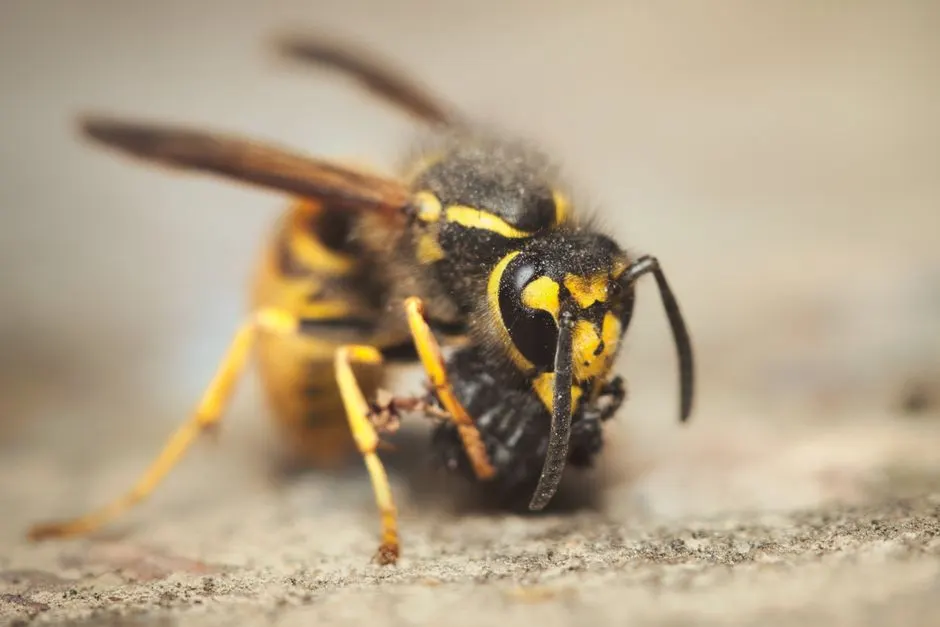
If you see wasps or yellow jackets gathering around a White Hall porch, eave, shed, or fence line, we locate the nest and assess how people use the area. Treatment depends on nest access and insect behavior. We keep the work focused on the identified nest and explain when it is safe to use the treated area again.

View Details
Occasional Invader Control

Occasional Invader Control

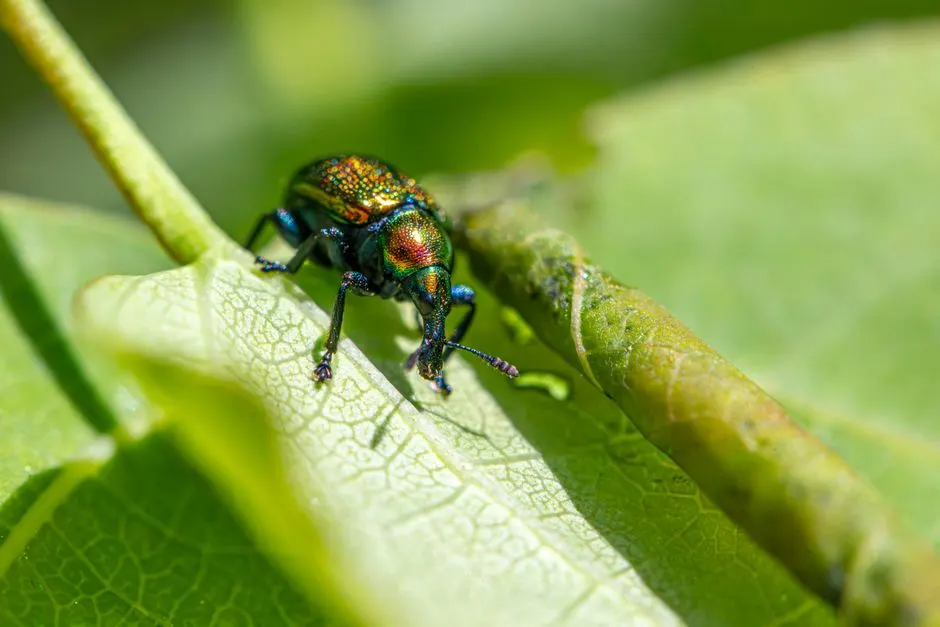
Stink bugs and other occasional invaders can show up around White Hall windows, siding, and lighted entryways, especially as seasons change. We inspect likely exterior entry points and indoor gathering areas, then target the route and current activity. Sealing gaps around trim and improving door weatherstripping can help limit repeat entry after treatment.

View Details
Cockroach Control

Cockroach Control

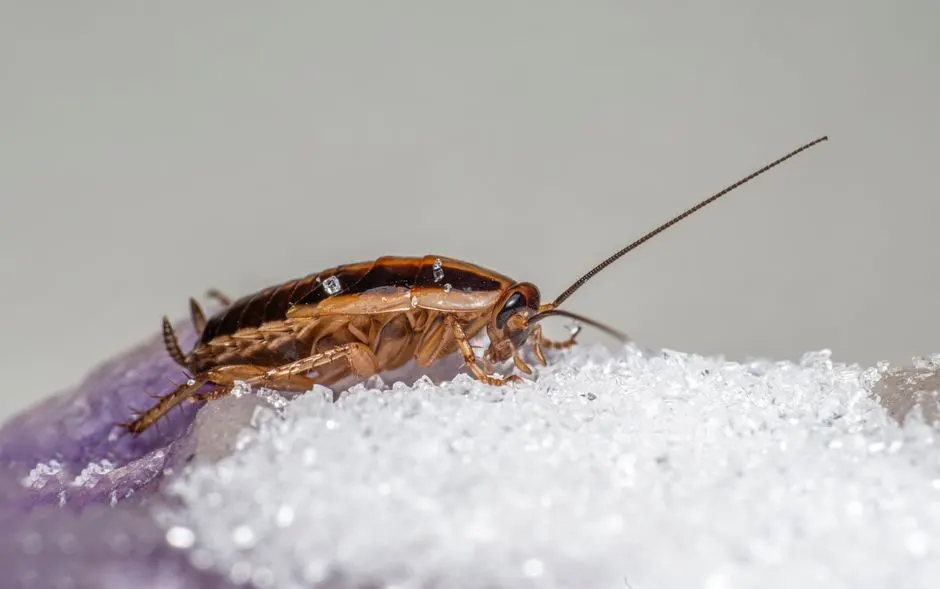
For cockroach activity in a White Hall home or food-service space, we inspect under sinks, behind appliances, cabinet seams, and plumbing penetrations. German cockroaches often stay close to food and water sources, so placement and sanitation matter. We use targeted application and monitoring rather than relying on a broad surface treatment alone.

View Details
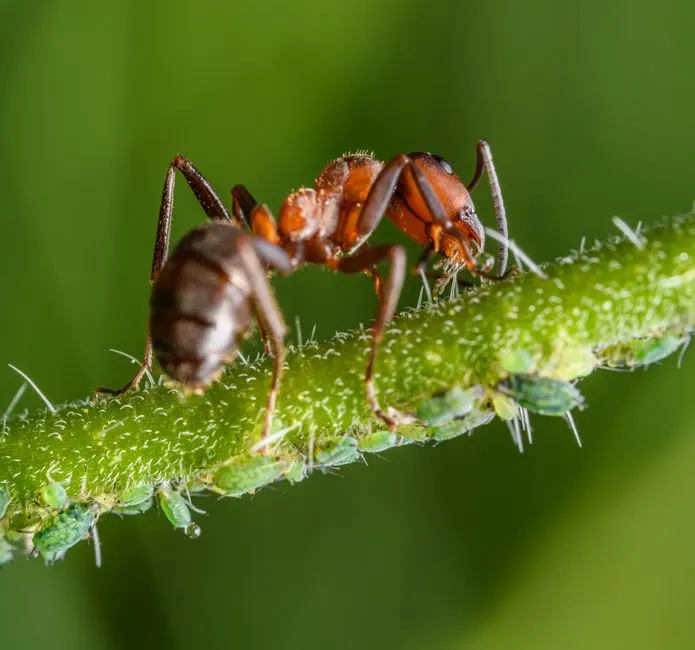
Ant Control

Ant Control

When ants trail through a White Hall kitchen or gather along a foundation, we identify the trail and likely entry before selecting treatment. Exterior nesting, moisture, and food residue can sustain activity. We treat relevant cracks and edges, then point out practical steps such as cleaning trail residue and sealing a gap at a pipe sleeve.

View Details
Wildlife Removal

Wildlife Removal

Scratching in an attic or damage at a soffit calls for careful inspection, not guesswork. For White Hall properties, we check access points, likely travel paths, and signs of wildlife entry into attics before choosing a removal approach. After the animal issue is addressed, we identify openings that need repair to discourage another entry.

View Details
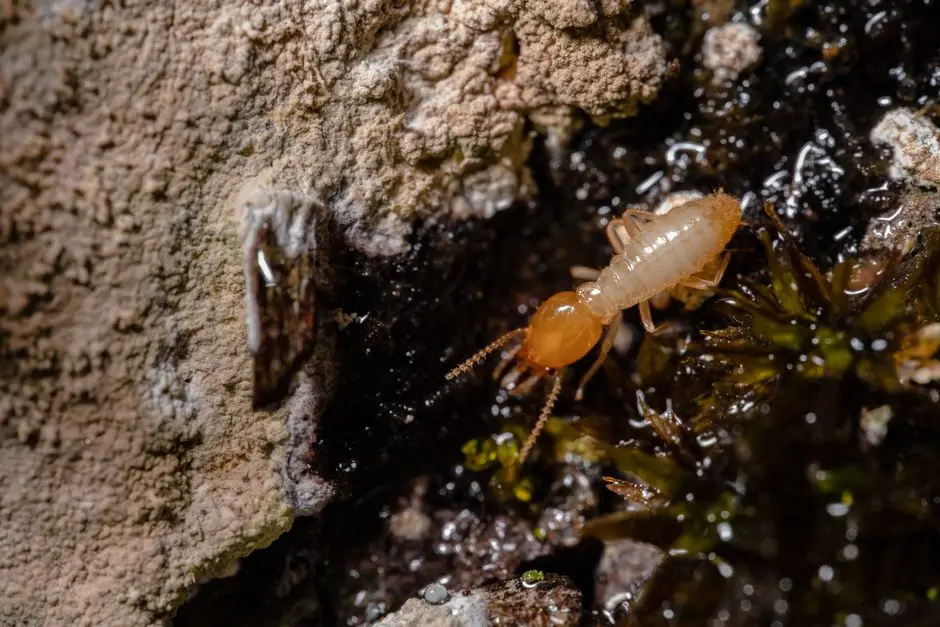
Termite Control

Termite Control

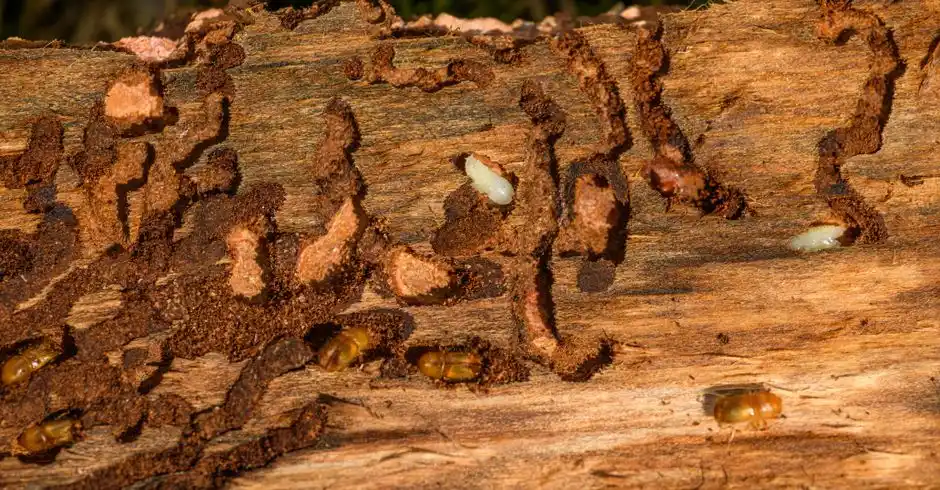
White Hall termite inspections focus on foundation edges, crawl spaces, moisture conditions, and visible wood damage. Subterranean termite activity can be hidden, so we look for evidence rather than relying on a quick visual glance from a doorway. Where appropriate, termite monitoring stations and a treatment plan are selected for the structure and site conditions.

View Details
Pest Inspection

Pest Inspection

A White Hall pest inspection is useful before treatment, after unexplained sightings, or when you are buying or maintaining a property. We check interior rooms, foundation lines, attic or crawl-space access where available, and utility penetrations. You receive a clear explanation of observed evidence and the next steps suited to the pest identified.

View Details
Flea & Tick Control

Flea & Tick Control

For flea or tick concerns at a White Hall home, we assess indoor signs and the outdoor areas where pets rest or travel. Treatment is planned around the affected zones and label directions, with attention to pet access and preparation. We explain what to do before and after service so treated areas can be used safely.

View Details
Bed Bug Treatment

Bed Bug Treatment

Bed bug work in White Hall begins with inspection of mattress seams, bed frames, nearby furniture, and other likely harborage points. We confirm evidence before recommending treatment and explain preparation clearly. A structured plan targets identified areas and includes monitoring or follow-up when the inspection findings and treatment method call for it.

View Details
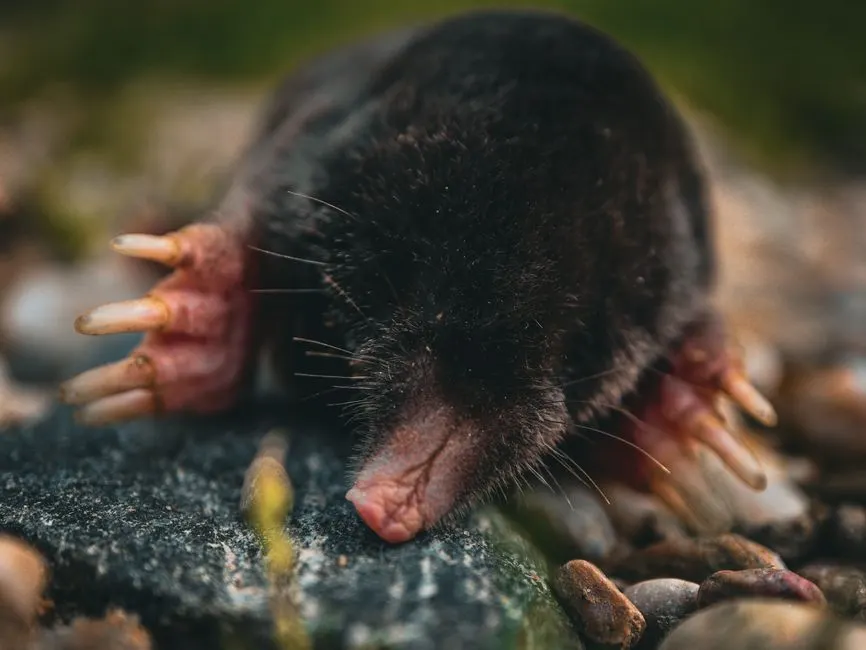
Mole & Gopher Control

Mole & Gopher Control

Raised ridges and soil mounds can disrupt a White Hall lawn, but the animal and active tunnel need to be identified first. We inspect the pattern of damage and select a control approach suited to the property. Protecting garden beds, keeping children away from active work areas, and tracking new signs help assess progress.

View Details
Rodent Control in White Hall
Service ยท #1

Rodent Control in White Hall


Pest Control in White Hall includes focused rodent control for homes and businesses where mice or rats find shelter, food, and entry points. In established neighborhoods near Dollarway Road, older foundations, attached garages, and utility openings can provide access. Arkansas Pest Solutions checks for activity, identifies likely routes, and recommends practical steps suited to the property, helping residents address current signs while reducing conditions that invite rodents back.

Finding Rodent Entry Routes

A careful inspection follows droppings, gnaw marks, nesting material, and sounds into likely travel areas. In White Hall homes with crawl spaces or additions, small gaps around pipes and foundation vents deserve attention. Our rodent control approach connects evidence indoors with exterior access points, so recommendations target the route rather than relying on scattered traps alone.

Reducing Food And Shelter

Warm, humid Arkansas seasons can sustain rodent activity around sheds, garages, and cluttered storage. We point out food sources, dense vegetation, and sheltered nesting spots that may draw rodents close to buildings. Residents receive clear guidance on securing pantry goods, managing refuse, and trimming plants along walls, making ongoing prevention realistic for White Hall properties.

Treatment And Follow Up

After assessing the level of activity, technicians select appropriate control measures and explain placement before work begins. Particular care goes to kitchens, utility rooms, and accessible crawl spaces in White Hall houses. Follow-up recommendations help confirm whether activity has stopped and whether exclusion steps are holding, giving property owners a practical plan rather than a one-time guess.

  • Inspect interior and exterior areas for rodent signs and activity.
  • Identify likely entry gaps around foundations, pipes, vents, and doors.
  • Place targeted control devices in appropriate rodent travel zones.
  • Provide prevention recommendations for food storage and exterior clutter.

General Pest Control in White Hall


Pest Control in White Hall from Arkansas Pest Solutions addresses common household pests with a plan shaped around each building and its surroundings. Homes near White Hall schools, commercial properties along Sheridan Road, and houses with shaded yards can face different pressures. We inspect active concerns, treat appropriate areas, and explain practical prevention so residents can manage seasonal pest activity without relying on a one-size-fits-all visit.

  1. 01

    A Property Specific Assessment

    Technicians look for pest evidence, moisture, entry gaps, and conditions that support activity before choosing treatment areas. White Hall properties range from older homes with crawl spaces to newer construction with attached garages, so inspection details matter. Our general pest control service is adjusted to the pests present and the structure's layout, keeping attention on relevant locations.

  2. 02

    Seasonal Pest Pressure

    Hot, humid summers and wet spells in Jefferson County can increase insect movement around foundations and doors. We assess exterior harborage such as leaf litter, mulch, and damp spots, then recommend sensible corrections. This locally informed approach helps White Hall residents prepare for changing pest patterns instead of waiting until activity spreads through kitchens, bathrooms, or storage areas.

  3. 03

    Treatment With Clear Guidance

    When treatment is needed, we explain where products or other control measures will be applied and what residents should expect afterward. Particular attention may go to baseboards, utility penetrations, garages, and exterior entry points. Arkansas Pest Solutions also shares straightforward sanitation and exclusion suggestions, giving White Hall households useful steps between service visits.

  • Inspect living spaces, garages, foundations, and exterior pest harborage.
  • Identify pest activity and conditions that may encourage recurring problems.
  • Apply targeted treatments to relevant interior and exterior locations.
  • Explain practical sanitation and exclusion steps for household prevention.
General Pest Control in White Hall

02 / 12

Service

5+ YEARS ยท WHITE HALL

Stinging Insect Control in White Hall

Pest Control in White Hall can include stinging insect control when wasps, hornets, or bees build nests near everyday outdoor spaces. Warm seasons bring more activity around eaves, porch roofs, sheds, and play areas, especially in leafy neighborhoods off West Holland Avenue. Arkansas Pest Solutions assesses nest location and access before recommending a safe response, helping residents reduce exposure without disturbing colonies unnecessarily.

Locating Nests Around Homes

Nests may appear beneath eaves, inside wall voids, under deck boards, or in shrubs beside walkways. We inspect the reported area and nearby activity patterns before selecting a treatment method. For stinging insect control in White Hall, locating the nest carefully helps avoid unnecessary disruption and clarifies whether the colony is connected to a hard-to-reach part of the structure.

Safer Outdoor Access

A nest near a doorway, mailbox, or patio can make ordinary routines stressful. Technicians evaluate how residents use the space and identify the safest access route for service. White Hall families with children or pets receive practical instructions about keeping clear of active areas during treatment, particularly during hot Arkansas afternoons when insect movement may increase.

Preventing Repeat Nesting

After addressing active nests, we can point out sheltered ledges, gaps, and protected corners that attract future nesting. Regular checks around porch ceilings, detached garages, and rooflines help homeowners spot early construction. Because White Hall weather brings extended warm periods, prompt reporting of new activity can limit the chance that a small nest becomes a larger seasonal concern.

  • Inspect eaves, porches, sheds, shrubs, and reported nest locations.
  • Assess stinging insect activity and access risks around occupied spaces.
  • Treat accessible active nests using a site-appropriate control method.
  • Recommend precautions and nesting-site checks for future prevention.
Occasional Invader Control in White Hall

Occasional Invader Control in White Hall


Pest Control in White Hall includes occasional invader management for insects that wander indoors as weather, moisture, or outdoor conditions change. Residents may notice crickets, beetles, millipedes, or similar pests near doors and basement-like utility spaces. Around White Hall's wooded lots and landscaped foundations, seasonal shifts can drive these visitors toward shelter. Arkansas Pest Solutions identifies likely routes and addresses the conditions behind repeated indoor appearances.

Identify occasional invaders and assess where indoor sightings occur.

Promise

“The type and location of insects provide clues about why they entered. We check door thresholds, foundation cracks, window wells, and damp corners that can attract occasional invaders. White Hall homes bordered by garโ€ฆ”

โ€” White Hall customer
Tracing Seasonal Indoor Visitors +

The type and location of insects provide clues about why they entered. We check door thresholds, foundation cracks, window wells, and damp corners that can attract occasional invaders. White Hall homes bordered by gardens or tree cover may see more movement after rain or temperature changes, so our assessment considers both the indoor evidence and the surrounding landscape.

Managing Moisture And Gaps +

Many wandering pests seek cool, damp shelter during hot or dry stretches. We highlight leaky spigots, clogged drainage, dense mulch, and openings near utility lines that may contribute to activity. Tailored occasional invader control pairs suitable treatment with practical repairs, helping property owners reduce the conditions that let insects cross into living spaces.

Keeping Entry Areas Clear +

Garages, porch corners, and storage rooms often provide an easy transition from outdoors to indoors. In White Hall properties, routine sweeping and careful storage can make these spaces less inviting. We explain where to monitor for new activity and which exterior areas deserve attention after heavy rain, offering residents useful habits for managing seasonal incursions.

  • Identify occasional invaders and assess where indoor sightings occur.
  • Inspect thresholds, foundation gaps, utility lines, and moisture-prone areas.
  • Apply targeted control measures around relevant entry and shelter points.
  • Recommend drainage, storage, and exterior housekeeping improvements.
Cockroach Control in White Hall
Service ยท #5

Cockroach Control in White Hall


Pest Control in White Hall includes cockroach control for homes and businesses where hidden activity can persist around water, food, and warm equipment. Older kitchens, laundry areas, and utility spaces in White Hall buildings may offer cracks and plumbing routes that shelter roaches. Arkansas Pest Solutions inspects carefully, identifies the likely species and harborages, and develops a targeted plan that addresses active pests and the conditions supporting them.

Inspecting Hidden Harborages

Cockroaches often stay out of sight in cabinet hinges, appliance voids, pipe chases, and cracks near sinks. We examine these locations for droppings, egg cases, and other evidence before choosing treatment areas. In White Hall kitchens with older cabinetry or tight utility spaces, careful inspection supports cockroach control that reaches likely hiding places rather than only visible surfaces.

Removing Food And Water

Even small crumbs, grease, and plumbing leaks can help a roach population persist. Technicians explain how to limit access to food and moisture without disrupting household routines. White Hall residents can benefit from sealing pantry items, cleaning beneath appliances, and repairing drips, especially during humid Arkansas weather when damp kitchens and laundry rooms remain attractive to pests.

Targeted Treatment And Monitoring

Treatment choices depend on the infestation's extent, the rooms involved, and household conditions. We discuss preparation and placement so residents know what will happen before service begins. Monitoring after treatment helps determine whether activity is declining and whether additional steps are needed, a useful approach for White Hall homes where roaches may travel between kitchens and adjoining utility areas.

  • Inspect kitchens, bathrooms, utility spaces, and appliance hiding places.
  • Document roach evidence, likely harborages, and moisture conditions.
  • Apply targeted treatment to identified cockroach activity zones.
  • Provide preparation and monitoring guidance tailored to the property.

Ant Control in White Hall


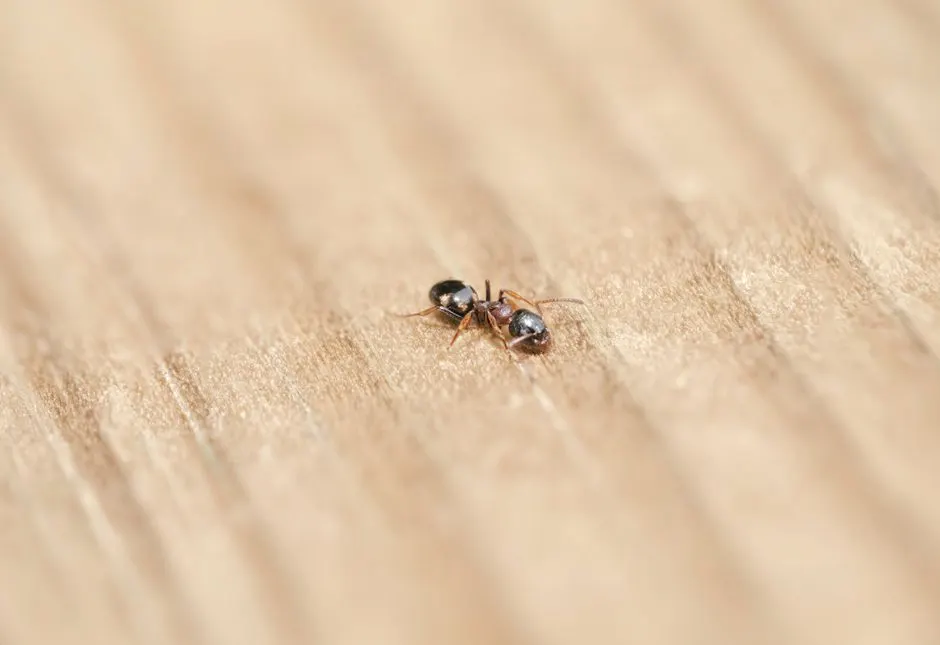
Pest Control in White Hall includes ant control designed around the trails, nesting sites, and food sources found at each property. Ants often enter through tiny foundation gaps or follow moisture along kitchen and bathroom plumbing. In neighborhoods with mature trees and planted beds, warm Arkansas weather can support active colonies near homes. Arkansas Pest Solutions traces the source and plans treatment to address more than the visible line of ants.

  1. 01

    Following Trails To Colonies

    A trail across a counter may begin at a gap outdoors or inside a wall void. We inspect where ants appear, what they are seeking, and how they enter the building. For ant control in White Hall, identifying the species and likely colony location helps select a suitable strategy and avoid simply scattering activity into nearby rooms.

  2. 02

    Addressing Outdoor Nesting Sites

    Mulch, stones, tree bases, and damp soil beside foundations can offer favorable nesting conditions. We review landscaping and drainage around White Hall homes, especially after rainy periods that shift ant activity. Recommendations may include moving stored materials away from walls and correcting persistent moisture, reducing pressure around the exterior before ants find indoor food sources.

  3. 03

    Protecting Kitchens And Pantries

    Ants can exploit uncovered food, sticky residue, or pet dishes left out overnight. We identify useful sanitation and storage changes while treating relevant entry and activity points. Residents in White Hall receive clear advice suited to their home, whether ants are appearing around a kitchen window, a bathroom sink, or a garage door threshold.

  • Trace ant trails and inspect likely indoor and outdoor colony sites.
  • Identify entry gaps, moisture sources, and accessible food attractants.
  • Treat relevant ant activity areas using a property-specific approach.
  • Provide storage, sanitation, and landscaping recommendations for prevention.
Ant Control in White Hall

06 / 12

Service

5+ YEARS ยท WHITE HALL

Wildlife Removal in White Hall

Pest Control in White Hall can include wildlife removal when animals enter attics, crawl spaces, sheds, or other parts of a property. Raccoons, squirrels, and other local wildlife may exploit roof gaps or unsecured vents, particularly near wooded residential lots. Arkansas Pest Solutions assesses the animal's access and the damage involved, then discusses appropriate removal and prevention steps suited to White Hall buildings and surrounding habitat.

Identifying Animal Access Points

Scratching sounds, disturbed insulation, droppings, and damaged vents can reveal wildlife activity. We inspect roof edges, soffits, crawl-space openings, and detached structures to understand how an animal entered. In White Hall neighborhoods close to tree cover, wildlife removal begins with identifying both the entry route and the animal's likely shelter area before work is planned.

Humane Site Specific Response

The appropriate response depends on the species, location, and condition of the property. Our team explains the proposed process and any access or safety considerations before proceeding. Residents receive guidance on keeping people and pets clear of active areas, while White Hall's mix of wooded yards and residential structures informs how we assess nearby cover and travel routes.

Securing Vulnerable Structures

Removing an animal without addressing its access can leave a building vulnerable to another visit. We identify damaged screens, loose soffits, roof gaps, and openings around utility lines that may need repair. For White Hall properties, sealing these points and managing nearby food or shelter sources can make attics, sheds, and crawl spaces less appealing to wildlife.

  • Inspect attics, crawl spaces, rooflines, vents, and reported wildlife signs.
  • Identify animal entry routes and assess related structural damage.
  • Recommend an appropriate removal approach based on site conditions.
  • Document exclusion needs for vents, soffits, gaps, and access openings.
Termite Control in White Hall

Termite Control in White Hall


Pest Control in White Hall includes termite control to help property owners detect and address activity that can remain hidden behind walls or beneath floors. Moisture, soil contact, and wood features around local homes can create favorable conditions for termites. Arkansas Pest Solutions inspects accessible areas, looks for warning signs, and explains options based on the structure, with particular care for older homes and additions around White Hall.

Inspect accessible foundations, crawl spaces, porches, and wood structures.

Promise

“Technicians look for mud tubes, damaged wood, discarded wings, and conditions that may conceal termite activity. Foundations, crawl spaces, porches, and attached garages receive close attention, particularly where wooโ€ฆ”

โ€” White Hall customer
Checking Wood And Foundations +

Technicians look for mud tubes, damaged wood, discarded wings, and conditions that may conceal termite activity. Foundations, crawl spaces, porches, and attached garages receive close attention, particularly where wood meets soil. In White Hall, termite control assessments also consider drainage and landscaping that hold moisture near a home's foundation, helping clarify potential risk areas.

Considering Moisture Conditions +

Persistent dampness can make structural wood more vulnerable and may hide early signs of activity. We note leaking downspouts, poor drainage, and stored lumber or debris beside buildings. White Hall's humid climate and seasonal rainfall make these details important, so property owners receive recommendations for correcting moisture conditions alongside any treatment discussion.

Explaining Treatment Options +

The right termite plan depends on inspection findings, construction details, and the location of suspected activity. We explain the proposed treatment and any monitoring or access needs in plain language. For White Hall homes with crawl spaces or additions, a clear review of affected areas helps owners understand next steps and maintain awareness after service.

  • Inspect accessible foundations, crawl spaces, porches, and wood structures.
  • Check for mud tubes, damaged timber, wings, and moisture concerns.
  • Explain treatment options based on findings and building construction.
  • Recommend drainage and wood-to-soil contact improvements where appropriate.
Pest Inspection in White Hall
Service ยท #9

Pest Inspection in White Hall


Pest Control in White Hall often starts with a thorough pest inspection to clarify what is happening and where. Arkansas Pest Solutions examines reported areas as well as likely entry points, nesting sites, and conditions that support activity. From established homes near Sheridan Road to newer builds with attached garages, White Hall properties vary in layout and materials, so an inspection is tailored to the building rather than limited to a quick visual check.

Inspecting Interior Evidence

Inside, we look for droppings, insect activity, gnaw marks, damaged materials, and signs around plumbing or appliances. Kitchens, bathrooms, utility rooms, and storage areas can reveal different clues. A pest inspection in White Hall considers how rooms connect, helping technicians follow evidence between living spaces and potential hiding places in walls or adjoining garages.

Reviewing Exterior Conditions

Outside checks include foundations, door seals, vents, eaves, landscaping, and areas where water collects. Leaf litter or dense plants against a home may conceal pest activity, especially after wet weather. We assess the surrounding conditions at White Hall properties so recommendations can address likely entry routes and harborage rather than focusing only on indoor sightings.

Clear Findings And Next Steps

After reviewing the property, technicians explain what they found, what remains uncertain, and which actions make sense. Residents receive practical guidance on treatment priorities, repairs, or monitoring. This transparent process is useful for White Hall homeowners preparing for routine maintenance, responding to new signs, or seeking a clearer picture before deciding on pest management.

  • Examine reported rooms, storage areas, utility spaces, and access points.
  • Check exterior foundations, rooflines, vents, landscaping, and drainage.
  • Record evidence, contributing conditions, and areas requiring follow-up.
  • Explain findings and recommend practical treatment or prevention steps.

Flea & Tick Control in White Hall


Pest Control in White Hall includes flea and tick control for homes where pets, people, and outdoor spaces overlap. Shaded yards, leaf litter, and tall grass can shelter ticks, while fleas may persist around pet resting areas indoors. Arkansas Pest Solutions evaluates the property and reported activity, then recommends a coordinated approach for relevant interior and exterior areas, with guidance suited to White Hall's warm, humid seasons.

  1. 01

    Assessing Yard And Pet Areas

    We look at where pets spend time, including shaded fence lines, kennels, porches, and places where grass meets brush. Those transitions may support ticks around White Hall homes with wooded or landscaped yards. Flea and tick control starts by identifying high-use areas and conditions that can sustain pests, then shaping treatment and prevention around the household's daily routines.

  2. 02

    Treating Indoor Resting Zones

    Fleas can concentrate near pet bedding, rugs, and upholstered furniture, while ticks may be carried indoors on animals or clothing. We inspect reported rooms and identify relevant surfaces before discussing treatment. Residents receive preparation instructions for washing bedding, vacuuming, and coordinating care for pets, supporting a more complete plan for White Hall households.

  3. 03

    Reducing Outdoor Shelter

    Regular mowing, clearing leaf litter, and trimming overgrown edges can make yards less welcoming to fleas and ticks. We point out likely problem areas and explain practical maintenance steps. Because White Hall's humid climate can keep shaded ground favorable for pests, combining yard care with appropriate service helps residents manage exposure through the active season.

  • Inspect pet resting areas, shaded yard edges, and reported activity zones.
  • Identify flea and tick harborage around lawns, bedding, and furniture.
  • Treat appropriate indoor or outdoor areas based on inspection findings.
  • Provide preparation, pet coordination, and yard maintenance recommendations.
Flea & Tick Control in White Hall

10 / 12

Service

5+ YEARS ยท WHITE HALL

Bed Bug Treatment in White Hall

Pest Control in White Hall includes bed bug treatment for residents who notice bites, spotting, or insects around beds and upholstered furniture. Bed bugs can spread through belongings and hide in narrow seams, making accurate inspection important in homes, apartments, and lodging properties. Arkansas Pest Solutions assesses affected rooms, explains preparation needs, and recommends a focused plan for White Hall buildings without relying on assumptions based on bites alone.

Confirming Activity In Sleeping Areas

We inspect mattress seams, bed frames, headboards, nearby furniture, and other locations where bed bugs may hide. Evidence such as cast skins, spotting, or live insects helps confirm activity. For bed bug treatment in White Hall, checking beyond the mattress is essential, particularly in multiroom homes where belongings or furniture may connect sleeping areas.

Preparing Rooms For Service

Preparation can make treatment more effective and reduce the chance that pests remain concealed in clutter. We provide specific instructions for laundering, bagging belongings, and moving items only when advised. White Hall residents receive guidance based on the affected rooms and household setup, helping them avoid steps that could unintentionally spread bed bugs to other areas.

Follow Up And Monitoring

After treatment, monitoring helps determine whether activity has ended or additional attention is needed. We explain what signs to watch for and when to contact the service team. For homes and rental properties in White Hall, consistent follow-through and careful handling of furniture or luggage can support the treatment plan and reduce the risk of reinfestation.

  • Inspect beds, furniture seams, headboards, and nearby room furnishings.
  • Confirm suspected bed bug evidence before recommending treatment steps.
  • Provide room-specific preparation instructions before scheduled service.
  • Explain post-treatment monitoring and follow-up recommendations to residents.
Mole & Gopher Control in White Hall

Mole & Gopher Control in White Hall


Pest Control in White Hall can address mole and gopher activity when tunnels and soil mounds damage lawns, gardens, or landscaped areas. Moist ground after Arkansas rain can make yards attractive for underground movement, while lawns near tree lines may show fresh ridges or disturbed soil. Arkansas Pest Solutions evaluates the pattern and location of activity, then recommends targeted management suited to each White Hall property's outdoor layout.

Survey lawns, garden beds, fence lines, and visible tunnel patterns.

Promise

“Surface ridges, raised runs, and soil piles can help distinguish where underground animals are moving. We map recent signs across lawns, planting beds, and fence lines rather than treating random spots. For mole and gโ€ฆ”

โ€” White Hall customer
Reading Tunnels And Soil Mounds +

Surface ridges, raised runs, and soil piles can help distinguish where underground animals are moving. We map recent signs across lawns, planting beds, and fence lines rather than treating random spots. For mole and gopher control in White Hall, identifying active routes helps focus the response and avoid unnecessary disturbance to unaffected parts of the yard.

Protecting Lawns And Gardens +

Tunnels can undermine turf, disturb roots, and create uneven areas around paths or garden borders. We assess where damage threatens everyday use and which plants or lawn sections need priority. White Hall properties with irrigated lawns or damp garden beds may see changing activity after rainfall, so recommendations reflect both the current signs and the yard's conditions.

Tracking Results Over Time +

New mounds and fresh ridges are useful indicators of ongoing movement after control measures are taken. We explain how residents can note changes without disturbing treatment locations. Regular checks of lawns, flower beds, and property edges help determine whether activity has shifted, giving White Hall homeowners a clearer basis for follow-up service or additional prevention.

  • Survey lawns, garden beds, fence lines, and visible tunnel patterns.
  • Map fresh mounds and active runs before selecting control locations.
  • Apply targeted measures to confirmed areas of underground activity.
  • Explain how to monitor turf and soil for renewed disturbance.
Residential Pest Control

Residential Pest Control for White Hall Homes

White Hall homes include detached houses with garages, porches, crawl spaces, and outdoor storage, along with newer properties where utility lines and sealed wall cavities create different inspection challenges. Families want pests removed without leaving uncertainty about food areas, pets, or where children play. Our residential General Pest Control visits begin with your sightings and a check of the rooms, foundation edges, and access points that match them. We explain the treatment and practical preparation before work starts. For recurring concerns, we look beyond the insect or rodent in view. A pantry mouse may have entered at a garage threshold; ants at a window may follow an exterior trail; termite evidence may be hidden near a foundation. We use targeted service, then give you useful prevention steps such as sealing gaps, reducing standing moisture, or storing food securely. That keeps the visit focused on your White Hall home and the pest you actually have.

  • Home rodent entry inspection โ€” We inspect White Hall garages, pantry edges, utility penetrations, and accessible attic or crawl-space areas for rodent signs. After identifying likely routes, we choose suitable monitoring or trapping and explain where exclusion is needed. You get practical steps for food storage and sealing gaps, not just a trap placed where the first dropping appeared.
  • Kitchen ant and roach treatment โ€” For ants or cockroaches in a White Hall kitchen, we check under sinks, behind appliances, cabinet seams, and window or pipe openings. Treatment targets identified activity and follows label directions for the area. We explain food protection, cleaning, and any temporary access instructions before we leave.
  • Foundation termite inspection โ€” Our termite inspection for White Hall homes checks accessible foundation edges, crawl spaces, and visible wood for tubes or damage. We assess moisture and soil contact as contributing conditions, then explain whether monitoring or treatment fits what we found. Early inspection is especially useful when evidence appears near a porch, garage, or utility area.
  • Porch and eave nest removal โ€” If wasps or yellow jackets are active near your White Hall porch, eave, or shed, we locate the nest and consider how your family uses the area. We treat the identified source and explain the safe interval before normal use resumes. Keep children and pets away from the nest until service instructions allow access.
Commercial Pest Control

Commercial Pest Control in White Hall

White Hall businesses need pest work planned around operating hours, customer traffic, food handling, deliveries, and staff access. Our commercial service begins by identifying the affected rooms and activity pattern, then checking receiving doors, waste areas, utility penetrations, and storage spaces as relevant to the building. If you are looking for how to prevent cockroaches in a White Hall restaurant, we inspect moisture, food residue, equipment gaps, and incoming supplies rather than relying on a single broad application. We coordinate access with your designated contact and explain treatment locations, preparation, and re-entry directions. A small office, retail space, restaurant, and warehouse each need a different inspection map. Monitoring tools can help show where activity persists between visits. We keep service records tied to observed conditions and the work performed, so you can manage recurring concerns without disrupting more of the operation than necessary.

Restaurants and cafesRetail shopsOffices and clinicsWarehouses and storageSchools and community facilities

Common White Hall Pest Problems

White Hall has hot, humid summers, seasonal rain, and cooler fall and winter periods that change pest behavior. Residential properties include crawl spaces, garages, porches, and utility penetrations; each can create inspection points when a pest is active. Soil conditions and moisture around foundations matter for termite assessment, but they do not prove damage on their own. We identify the pest and evidence first. General Pest Control is planned around the structure, the season, and the signs you report, not a broad assumption about every home in town.

Rodents entering garages through worn thresholds and utility openings

Garage doors and service lines create potential openings when seals wear, trim shifts, or pipes pass through an exterior wall. Rodents can use these gaps to reach kitchens, garages, and voids. Cooler fall weather can increase pressure to find protected shelter, but the actual route must be confirmed at the property.

Subterranean termite evidence near damp foundation edges

Soil contact, moisture, and concealed wood near a foundation can make termite inspection important in White Hall. Rain and drainage issues can keep some areas damp, while crawl spaces may hide evidence from a casual exterior look. Only an inspection can establish whether signs are present and what treatment is justified.

Ant trails entering kitchens after wet weather

Rain can alter outdoor foraging routes, and crumbs or moisture indoors offer a useful food or water source. Ants may enter through window trim, a plumbing opening, or a small foundation gap. A trail's location can change, so treating only the first visible line may miss the route or colony.

Stink bugs gathering around windows as temperatures cool

As fall temperatures drop, stink bugs and other occasional invaders may gather on sunlit exterior walls and seek protected spaces. Gaps at screens, trim, and weatherstripping give them a way indoors. Their presence is seasonal, but repeated indoor sightings point to an entry issue worth checking.

When to Call a White Hall Pest Pro

Call when you find repeated evidence, a nest close to people, or damage that suggests pests are inside the structure. One insect near a door may be incidental; recurring trails, droppings, chewed packaging, or fresh wood damage need a closer look. In White Hall, rain and humidity can change where insects travel, while cooler fall weather can move rodents indoors. If you are wondering when to call an exterminator for ants in White Hall, call when trails return after cleaning or appear at more than one entry point. We can inspect before the issue spreads.

  • Fresh droppings under pantry or sink

    Small dark droppings beneath food storage or plumbing often indicate rodent travel, especially when they reappear after cleaning. Check nearby packaging for gnaw marks, but avoid sweeping material into the air. A prompt inspection can identify the route and help prevent contamination or a larger nesting problem.

  • Scratching sounds above a ceiling

    Repeated movement sounds at night can point to rodents or wildlife using an attic or wall void. Sound alone does not identify the animal, so we inspect access points and look for droppings, nesting, or damage. Call promptly if you also see a damaged soffit or loose vent cover.

  • Ant trails returning after cleanup

    A trail that returns after the surface is cleaned suggests the colony or entry route remains active. Follow the trail only as far as you can safely observe, then note the window, pipe, or foundation area where it begins. Targeted treatment works better when the source and route are identified.

  • Wasps repeatedly entering one eave

    Repeated insect traffic to a roof edge, shed, or porch can indicate an active nest. Do not block the opening or spray into a concealed void; disturbing stinging insects can increase risk. Keep people clear and arrange an inspection, especially when the route is near a frequently used door.

  • Mud tubes or damaged foundation wood

    Narrow mud tubes on a foundation or hollow-sounding, damaged wood can be signs of subterranean termite activity. These signs warrant an inspection because visible evidence may not show the full extent. Avoid breaking the tubes before the technician sees them; their location helps guide the assessment.

White Hall Pest Control Pricing

Typical 2026 pricing in White Hall depends on the pest, property size, access, and whether the work needs monitoring or exclusion in addition to treatment. A focused inspection or one-area service is commonly around $125-$275; a more involved rodent or multi-room treatment can run $250-$650. Extensive termite work or wildlife exclusion requires a site-specific assessment. We explain the price before work begins, with one upfront figure tied to the identified service. General Pest Control costs also depend on whether you need a one-time visit or recurring visits. Active German cockroaches, inaccessible crawl spaces, or multiple structures add inspection and treatment time. Tell us what you saw, where, and when; photos can help us prepare, but the technician confirms the conditions on site. These ranges are planning examples, not a quote for a particular property.

Basic Service

$89 starting ยท per visit

  • Diagnostic visit
  • Written estimate
  • Same-day scheduling
  • 30-day warranty
Book This Plan

Premium Care

$499 annual plan

  • Two scheduled inspections
  • Priority emergency response
  • Discounted parts and labor
  • 5-year workmanship warranty
Book This Plan
  • Pest type and severity โ€” A single wasp nest or a few visible ants usually requires less labor than an established rodent infestation or German cockroach activity across several rooms. The technician checks how widespread the signs are before pricing the work, because treatment method and monitoring needs change with the pest and its life cycle.
  • Property size and access โ€” A compact home with clear access differs from a larger house with an attic, crawl space, detached shed, or locked commercial storage. Restricted clearance, stored belongings, and multiple structures add inspection time. We use the actual layout of your White Hall property to determine the work involved.
  • Exclusion and follow-up needs โ€” Closing an entry gap, setting monitoring points, or returning to assess activity can add work beyond an initial treatment. Materials such as weatherstripping or sealant are selected for the opening and surface. We explain the labor and treatment components separately enough for you to understand what the price covers.

White Hall Landmarks and Routes

White Hall's recognizable public places and road corridors help visitors orient themselves, but the service address is what guides the final approach. When you book, give us the street address, building or suite details, and a useful driveway or entrance description. Highway 270 and Dollarway Road are practical route references for reaching parts of town. We confirm access before arrival, especially for homes with rear gates, detached structures, or commercial receiving entrances.

White Hall High School

The school is a recognizable White Hall reference point for orientation on the town's road network. It can help a caller describe a nearby area, but we use the confirmed property address to navigate to a service visit.

White Hall Community Center

The community center is a local public reference that helps distinguish nearby streets when discussing directions. It provides orientation only; service scheduling and routing depend on the customer's exact address.

Dollarway Road

Dollarway Road is a named local corridor useful for describing access through White Hall. A nearby road reference helps clarify directions, while the street number and entry instructions identify the actual service location.

Coverage across White Hall & Jefferson County

71602

Plus surrounding Jefferson County neighborhoods, with same-day routing on most appointments.

White Hall Customer Feedback

Averaging 4.9 / 5 across verified reviews.

“We noticed scratching above the garage and droppings near the pantry, so we called for a rodent inspection. The technician checked the threshold and pipe openings instead of just setting traps. We got a clear explanation of what needed sealing and where the monitoring points were placed. The practical steps made it easier to keep track of activity at our White Hall home.”

D

Dana M.

Central White Hall

“Ants were coming in beside a kitchen window after rainy weather. The technician followed the trail outside, treated the relevant edge, and showed us the small gap that needed attention. We appreciated getting a specific plan rather than a general spray recommendation. The visit was organized, and we knew what signs to watch for over the following week.”

C

Chris L.

Dollarway Road area

“We had a wasp nest near the side door of our White Hall shop, where staff pass throughout the day. The technician located the nest, treated that spot, and explained when we could use the entrance again. The work stayed focused on the active area and included a check of the nearby roof edge. That was the detail we needed.”

M

Morgan R.

Highway 270 area

White Hall Pest Control by Season

October brings cooler evenings and the start of fall pest movement in White Hall. Rodents and stink bugs look for sheltered spaces, while wasp nests may remain active on warm days. Across the year, hot humid summers and periods of heavy rain can affect insect activity and moisture conditions around foundations. If you are searching for pest control that prevents mice in White Hall homes, fall is a useful time to inspect door seals, service penetrations, garages, and attic access before activity settles indoors. Each season calls for a different check.

Spring

Warmer days bring renewed ant activity and more visible stinging insects around eaves and sheds. Rain can shift foraging routes and expose drainage or moisture problems. Termite inspections are also useful when you notice mud tubes, damaged wood, or unexplained signs near a foundation.

Tip: Walk your foundation after rain and note standing water, loose screens, and gaps around pipes. Do not disturb an active nest or suspected termite tube; take a clear photo from a safe distance and arrange an inspection.

Summer

White Hall's heat and humidity support active ants, cockroaches, mosquitoes, and stinging insects. Kitchens, utility rooms, and shaded exterior edges may show activity first. Moisture around sinks, crawl spaces, or air-conditioning drains can also attract pests seeking water.

Tip: Keep food sealed, repair dripping plumbing, and trim vegetation away from siding where practical. If insects gather at an eave or entry, keep people clear and call for identification before attempting nest removal.

Fall

Fall is the current seasonal focus in October: cooler nights encourage rodents and occasional invaders to seek shelter, while wasps may remain active during mild afternoons. Check garages, attic access, weatherstripping, and exterior utility openings for signs or gaps.

Tip: Replace worn door seals and keep stored boxes off the floor where possible. If you find droppings or repeated indoor insects, note the room and time; those details help us trace the route during inspection.

Winter

Cold spells reduce outdoor insect activity but can make indoor rodent signs easier to notice. Mice may nest near stored materials or food, and wildlife may use an existing attic opening. Indoor warmth and water sources can sustain some pests through the season.

Tip: Check pantry corners, garage edges, and accessible attic areas monthly. Store pet food in sealed containers and call if fresh droppings, gnawing, or repeated scratching appears rather than relying on a single trap.

White Hall and Nearby Service Cities

White Hall is part of Arkansas Pest Solutions' broader service region, with Little Rock as the main city and a practical reference for nearby calls. We coordinate service across communities rather than treating each city as an isolated territory. If you manage homes, rentals, or business locations in more than one place, our location pages can help you find the service information for each area. The routes and exact trip requirements depend on the destination and scheduled work.

Pest Control in White Hall FAQs

Real answers from our team for the questions we hear most often before a job starts.

How much does Pest Control in White Hall cost?
A focused inspection or one-area service often costs $125-$275, while more involved rodent or multi-room work can run $250-$650. The final price depends on the pest, property size, access, and whether monitoring or exclusion is needed. We inspect the conditions and explain upfront pricing before work begins. Termite or wildlife exclusion work requires a site-specific assessment because the structure and access determine the labor and materials.
How soon can a White Hall pest technician come out?
Call 877-729-2528 to arrange the next available White Hall appointment; urgent hazards such as a nest beside a busy entrance should be identified when you call. We confirm the service window directly rather than promise a fixed arrival time without checking the schedule. Tell us the pest, exact location, and whether children, pets, staff, or food areas are affected so we can plan the visit appropriately.
What should I do if I find mice in my White Hall home?
Remove accessible food sources, keep children and pets away from droppings, and call for an inspection if signs repeat. We check likely routes around garages, plumbing penetrations, and storage areas, then select traps or other measures appropriate to the site. For how to get rid of mice in a White Hall home, sealing the entry route is as important as addressing current activity. Avoid handling droppings directly.
Does General Pest Control cover ants and roaches in White Hall?
Yes, General Pest Control can address ants and cockroaches when inspection confirms the pest and affected areas. We check trails, food and water sources, appliance gaps, and plumbing penetrations before selecting treatment. German cockroach activity often calls for close monitoring and attention to harborage points, while an ant problem may require tracing an exterior route. Preparation and re-entry directions depend on the product and treatment area.
When should I call for termite control in White Hall?
Call when you see mud tubes, damaged or hollow-sounding wood, discarded wings, or unexplained changes near a foundation. Termite evidence can be concealed, so an inspection is the right first step even if the visible sign is small. We check accessible foundation and crawl-space areas, explain what we find, and recommend treatment or monitoring only when the evidence and structure support it.

Book Pest Control in White Hall

If you are seeing droppings, ant trails, termite signs, or a nest near an entrance, tell us what you found and where it appeared. Arkansas Pest Solutions serves White Hall and the surrounding Pulaski County area, and our licensed applicators follow product-label directions. Call 877-729-2528 to arrange an inspection or discuss the right service for your home or business. We will focus on the evidence and explain the next step.

Call for Service Send a Message

Contact Arkansas Pest Solutions

Call Arkansas Pest Solutions at 877-729-2528 to discuss pest activity at your home or business. Our office hours are Monday through Friday, 8:00 a.m. to 6:00 p.m.; leave a message outside those hours and our team will respond during the next business period. We serve Little Rock, Pulaski County, and communities across Arkansas.

Or call us right now at 877-729-2528 — we answer.

Arkansas Pest Solutions


  • Phone

    877-729-2528
  • Address

    Simmons Tower, 425 W Capitol Ave, Little Rock, AR 72201, Little Rock, Arkansas

  • Hours

    Mon–Fri: 7AM – 7PM
    Sat: 8AM – 4PM
    Sun: Emergency Only
    24/7 Emergency Available

Call 877-729-2528 Get Quote
Call Quote