



Residential Pest Control for Osceola Homes
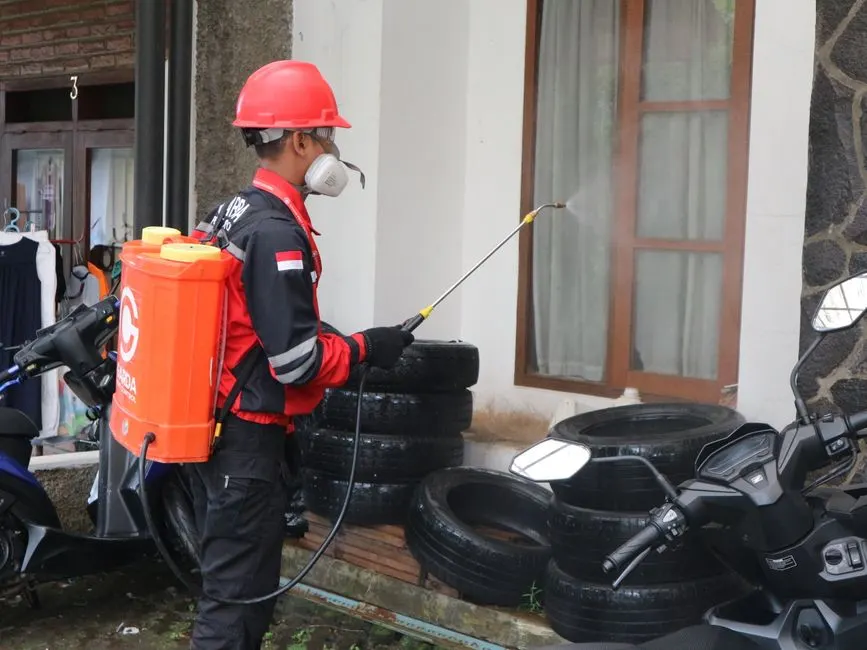
Homes in Osceola range from older properties with crawl spaces and additions to newer houses with attached garages and modern utility runs. Each layout creates different places for pests to enter or hide. Our residential General Pest Control begins with what you have noticed and a check of the affected rooms and relevant exterior areas. We look for rodent signs near pantries and garages, ant trails at windows, termite evidence near foundations, and wasp nests around porches. If you have children or pets, tell us where they spend time so we can plan access and treatment placement. We explain preparation before applying products and identify repairs or housekeeping changes that support the result. For a recurring problem, you can ask about a follow-up schedule suited to the pest and property.
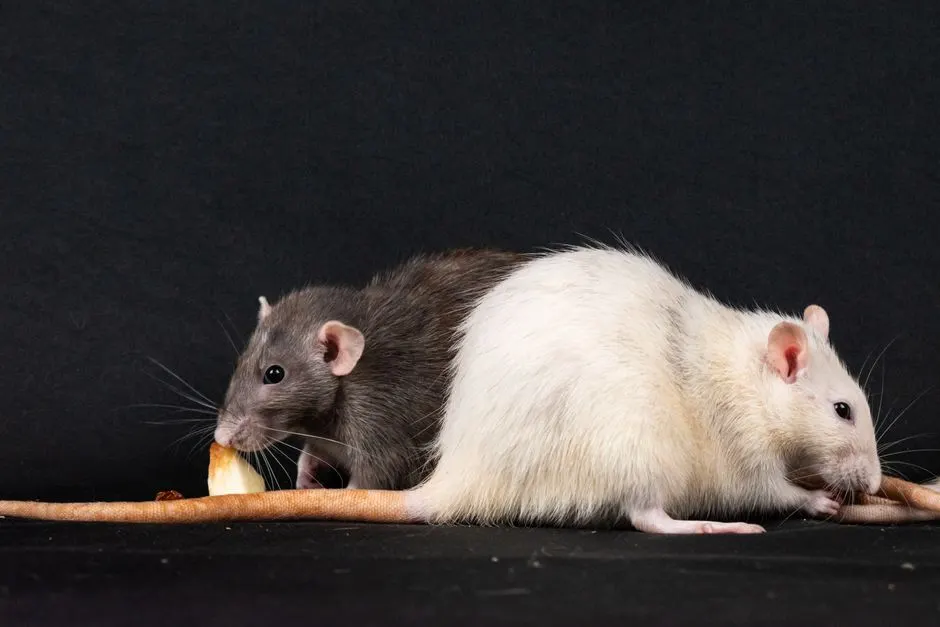
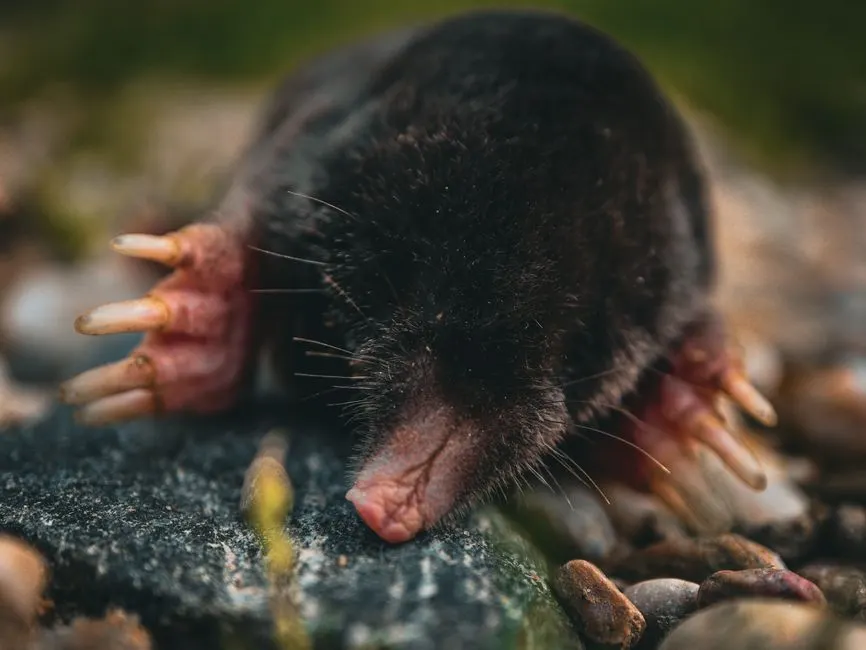
- Rodent inspection and exclusion — We check your Osceola home for droppings, gnawing, movement routes, and openings around doors or utility lines. If activity is confirmed, we explain trapping and exclusion options, including appropriate materials for accessible gaps. You learn which signs to monitor and what repairs can help keep rodents from reusing the same route.
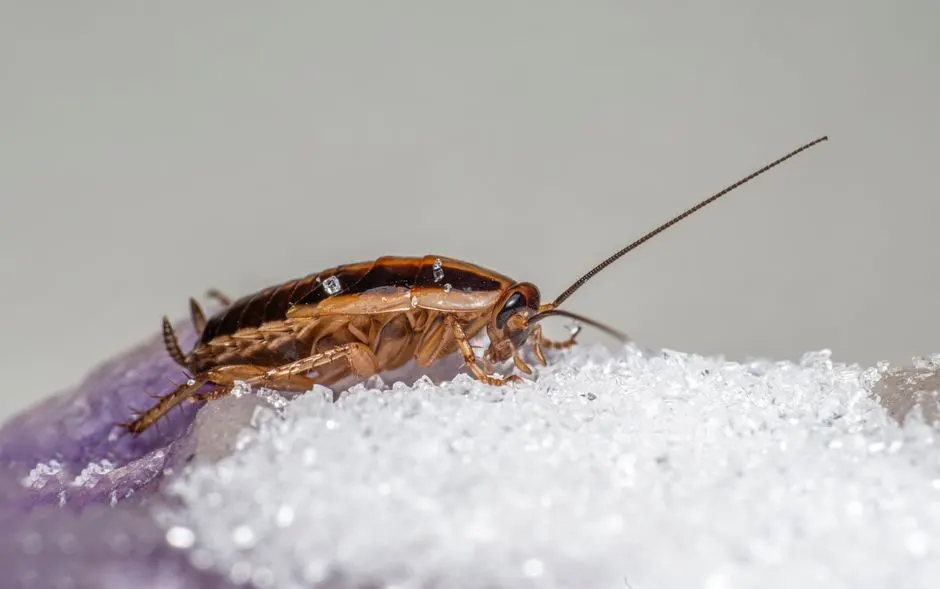
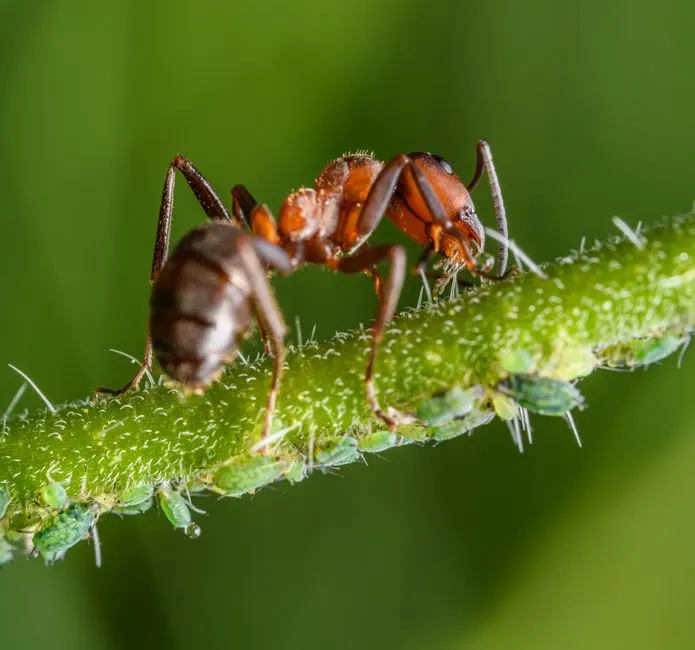
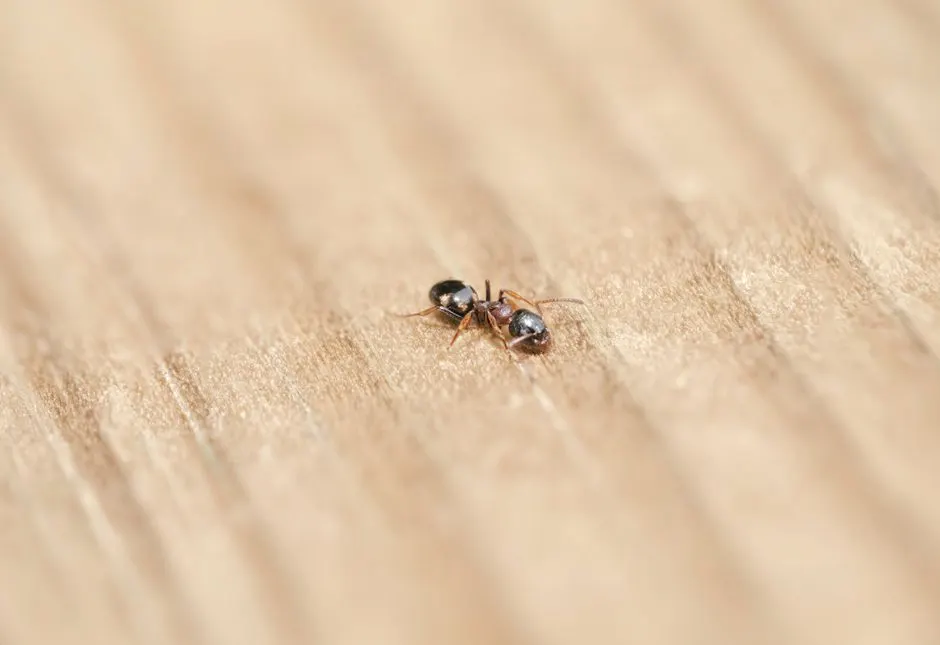
- Kitchen insect treatment — For ants or cockroaches, we inspect the kitchen, nearby plumbing, food storage, and appliance edges. In Osceola homes, the treatment plan follows the evidence and targets likely harborages. We tell you how to prepare counters, food, and pet areas, then identify what activity should decline after the visit.
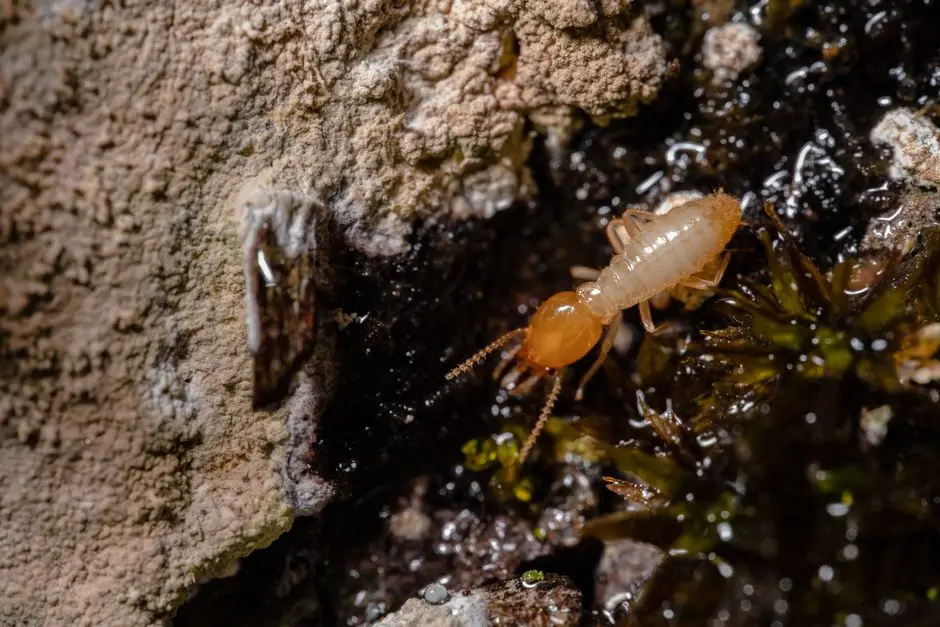
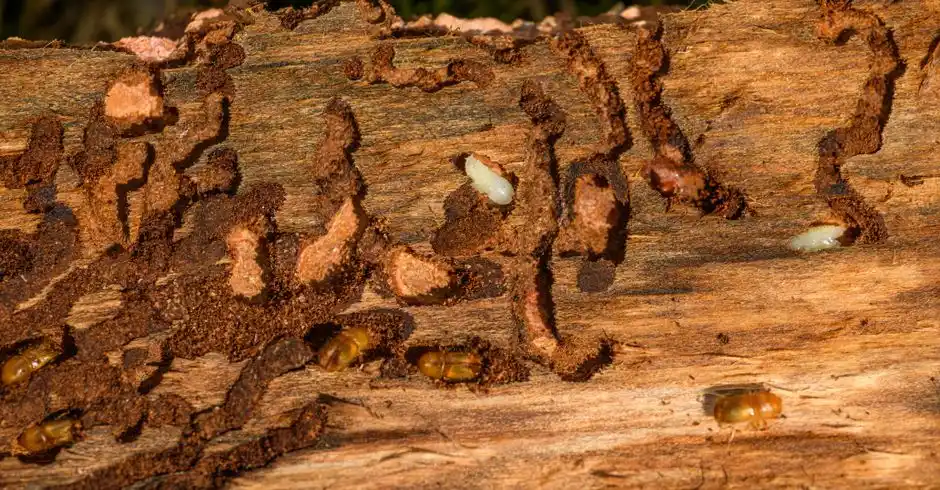
- Termite inspection and monitoring — We examine accessible foundation edges, porch supports, and wood near soil for signs of termite activity. Osceola homeowners receive findings tied to the property, not a blanket diagnosis based on damp conditions alone. If warranted, we discuss monitoring or treatment steps and which areas should remain accessible for future checks.
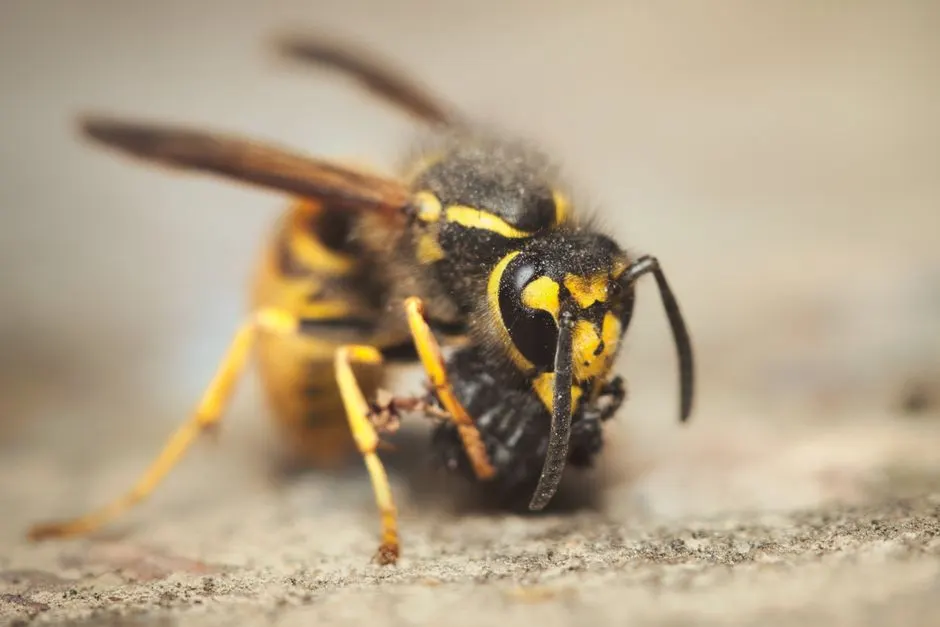
- Stinging insect nest removal — When wasps or yellow jackets are nesting near a porch, eave, shed, or walkway, we locate the active site and plan treatment around household access. We explain which area to avoid during service and whether the nest is exposed or concealed. Do not disturb an active nest before the inspection.