


Residential Pest Control in Mountain View
Mountain View homes range from older houses and compact town properties to newer construction, cabins, and homes with crawl spaces or detached garages. Your pest concern may begin in a kitchen, attic, porch, or storage building, and the treatment needs to fit the people and pets using that space. Our residential General Pest Control visits start by checking the reported room and likely routes nearby. We also look at moisture, food storage, screens, doors, and utility openings when those details relate to the activity. If you rent a home or manage a seasonal property, tell us who can provide access and which rooms need attention. That keeps the inspection focused and helps us explain practical prevention steps you can maintain between visits.
- Rodent exclusion and monitoring — We inspect Mountain View homes for droppings, gnaw marks, and openings around plumbing or garage doors. Where the findings support rodent control, we use suitable traps or bait stations and identify gaps that need attention. You receive clear monitoring instructions and can track whether fresh signs appear after the visit.
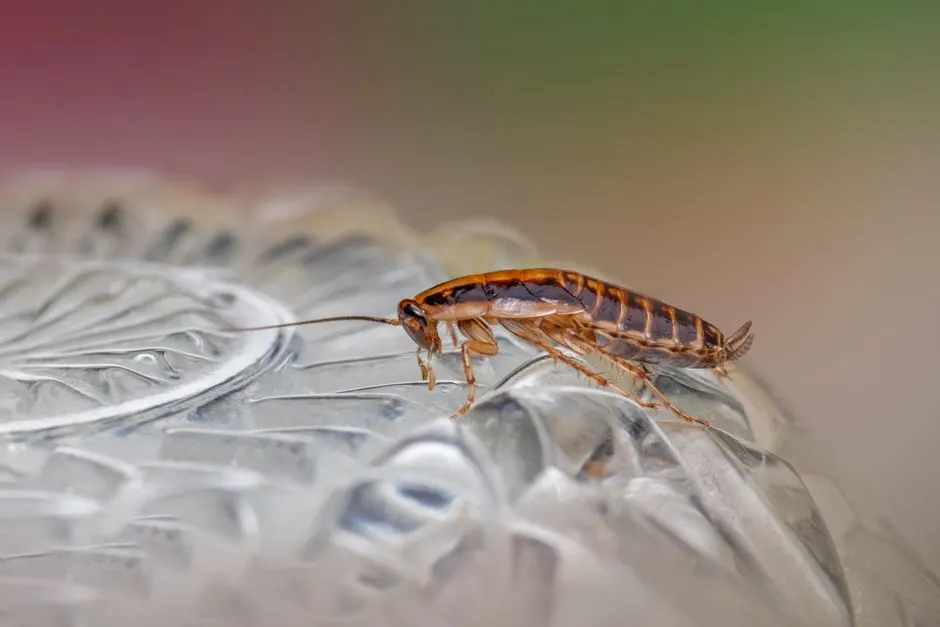
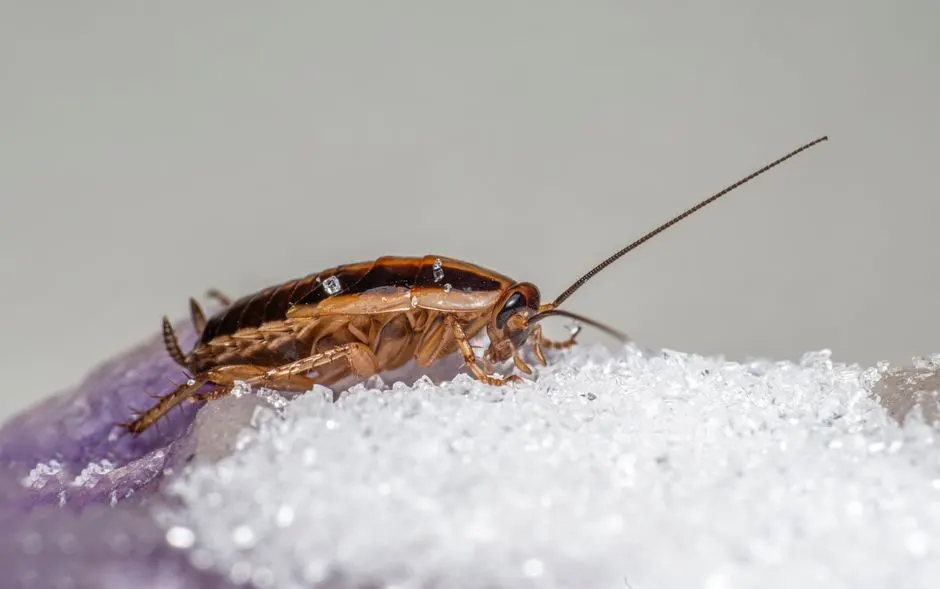
- Kitchen and bathroom insect treatment — For ants or cockroaches in a Mountain View home, we inspect food storage, plumbing areas, cabinets, and nearby entry points. Treatment focuses on identified harborages and routes. We explain any preparation steps and product-label precautions so your household knows when treated areas can be used again.
- Attic and crawl-space inspection — Attics and crawl spaces can conceal rodent, wildlife, or termite signs. We inspect accessible areas connected to your report and look for droppings, damage, moisture, and openings. For difficult voids, a borescope can help assess an area without unnecessary disturbance to finishes.
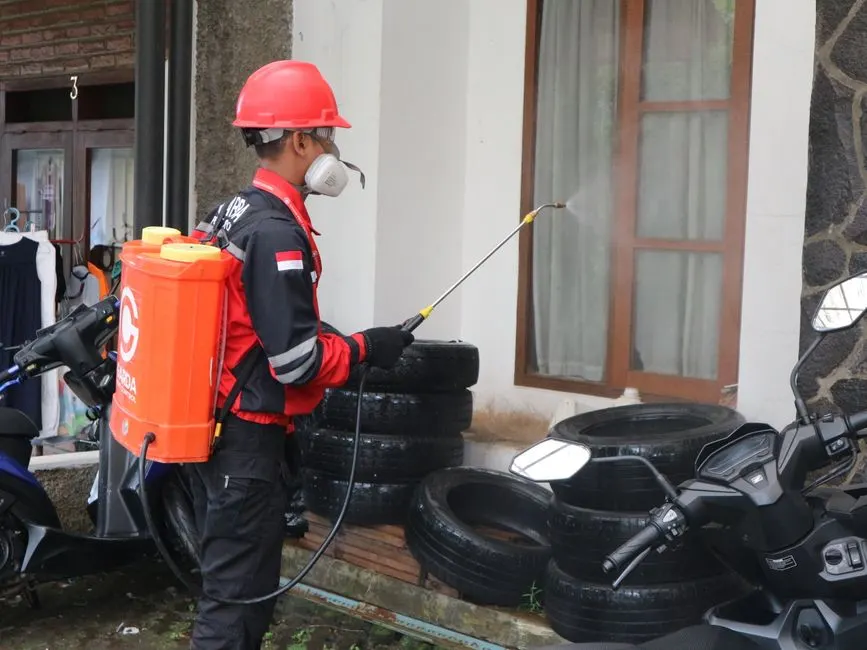
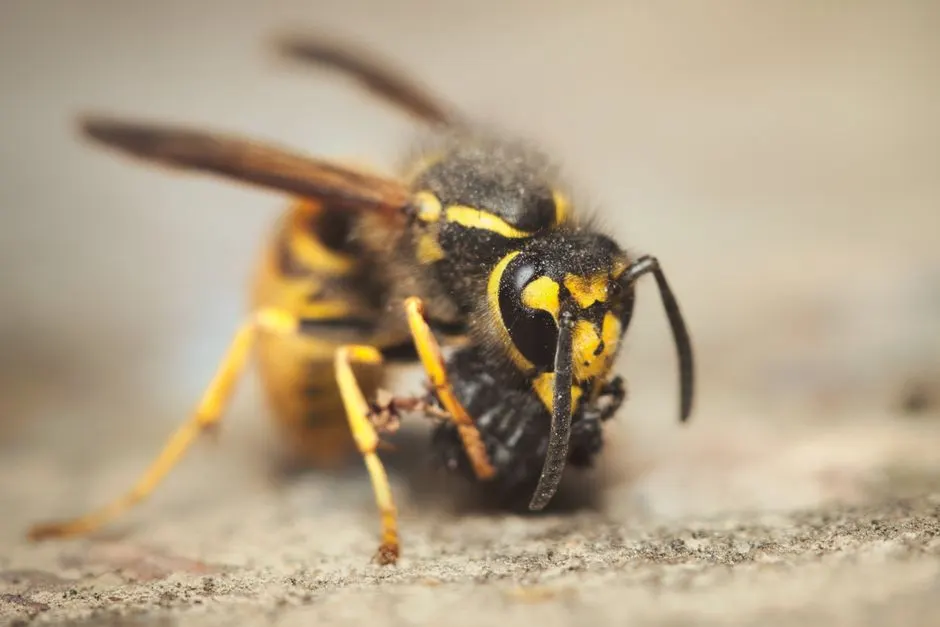
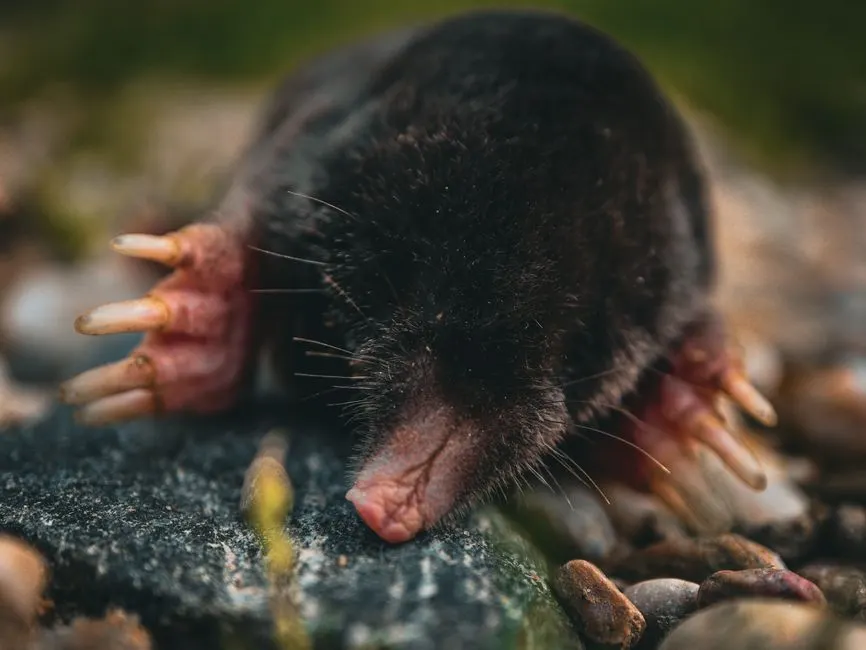
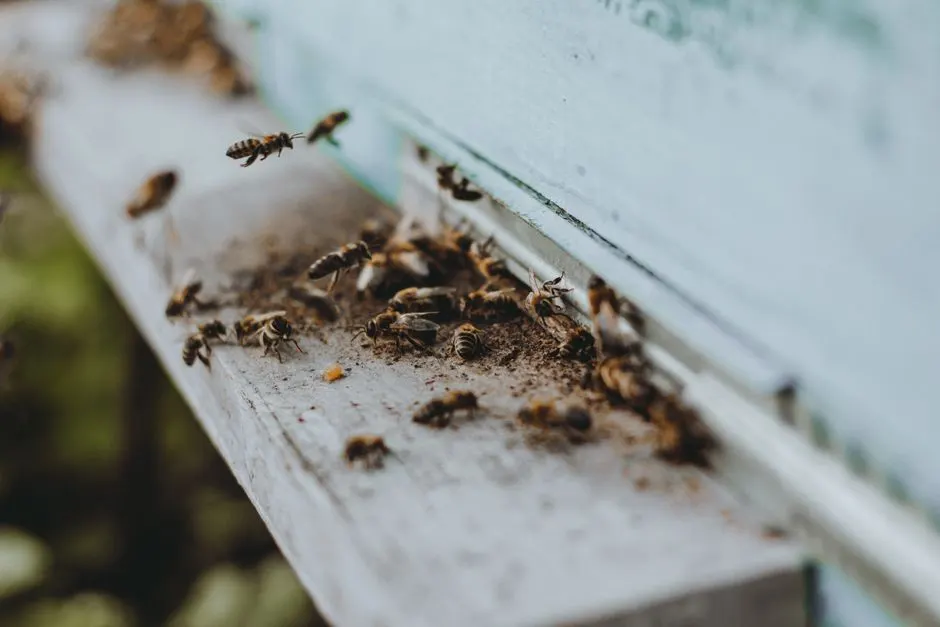
- Yard and exterior pest care — Mountain View exterior calls include wasp nests, flea and tick activity, mole runs, and insects around windows or foundations. We identify the pest and the affected zone before treating. You will know which outdoor areas need to stay clear and what maintenance can reduce future access.