




Residential Pest Control for Marshall Homes
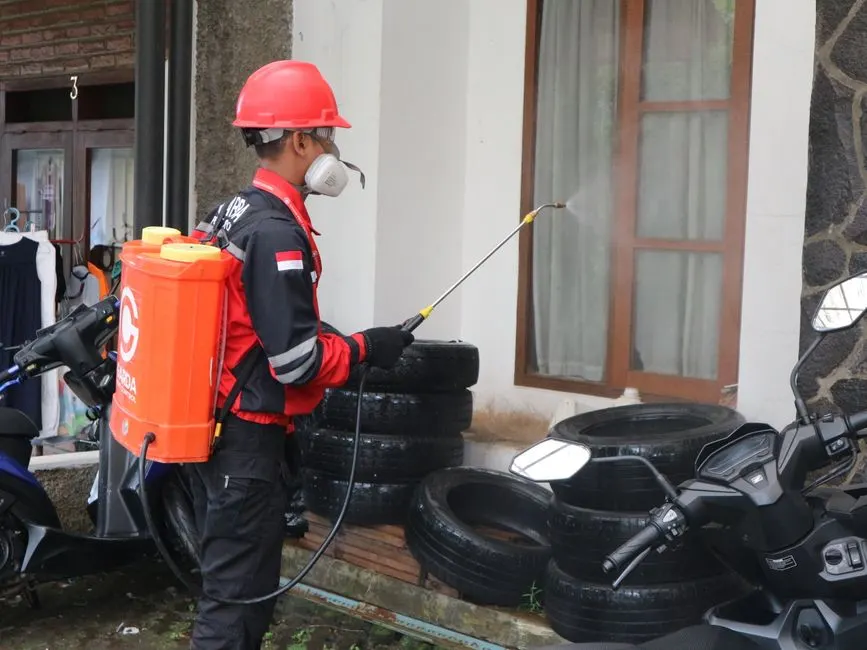
Marshall homes include town-center houses, newer residences, and properties with detached garages or storage buildings. Each layout has different inspection points, from crawl-space access and foundation seams to pantry storage and roof edges. Our residential General Pest Control work begins with the room or structure you identify, then checks nearby routes that could support continued activity. We treat for the pest found and explain what you can do next, whether that means monitoring a trail, storing food in sealed containers, or addressing a gap around a service line. If you have children, pets, or an occupied home office, tell us before treatment so we can explain the product-label precautions and plan the work around the areas you use.
- Rodent entry inspection — We inspect Marshall homes for droppings, gnawing, and openings around pipes, doors, and foundation transitions. If activity is confirmed, we set a control plan and identify practical exclusion work. You will know which locations need monitoring and whether a shed or garage should be checked alongside the house.
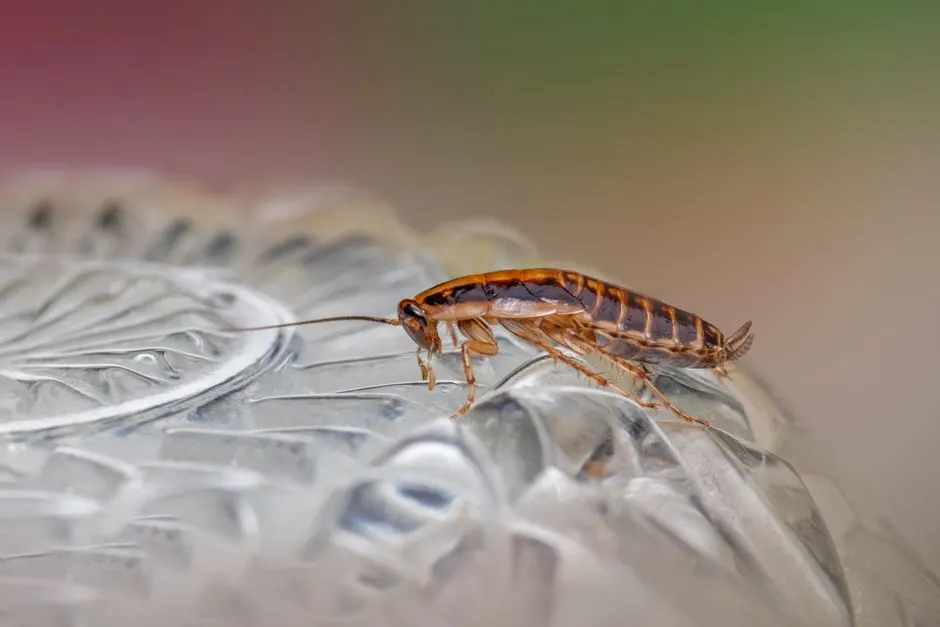
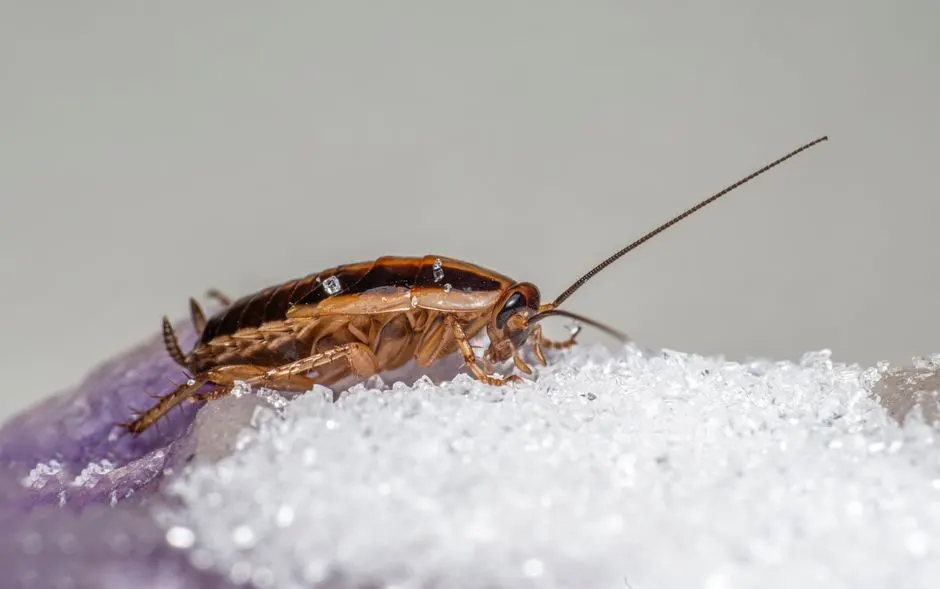
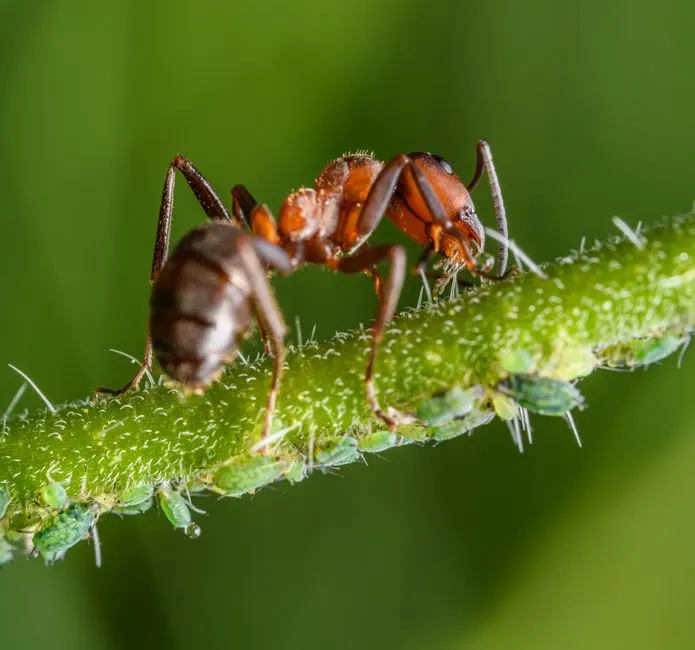
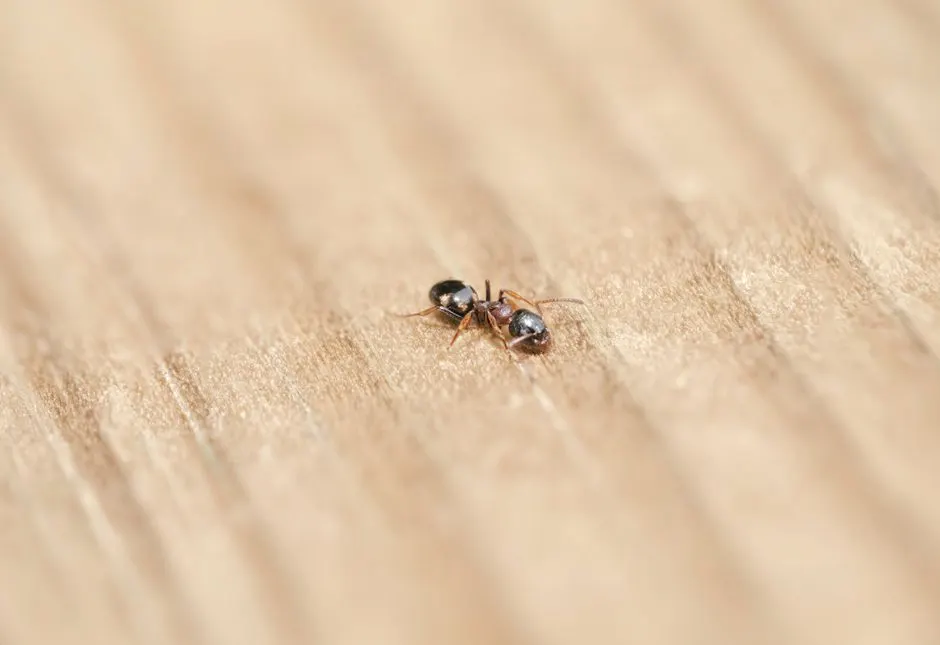
- Kitchen insect treatment — Ants and cockroaches often become noticeable around sinks, appliances, cupboards, and stored food. We inspect those areas in your Marshall home, identify the likely pest, and focus treatment on active routes. You receive preparation guidance and simple ways to reduce food and moisture access.
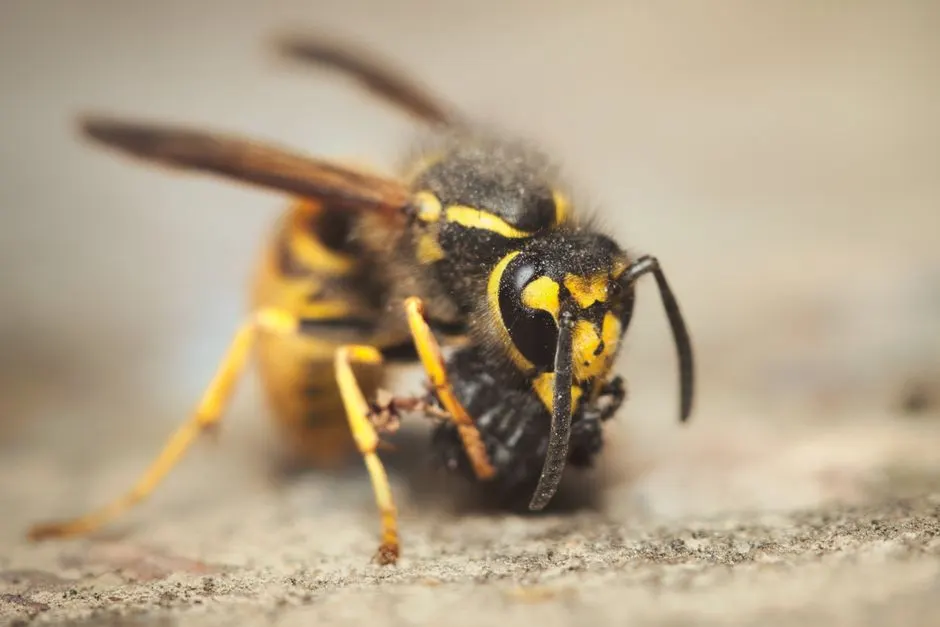
- Nest and entry-point control — A nest under an eave or insects entering around a window can interfere with daily use of your home. We assess the location, access, and nearby foot traffic, then select a targeted treatment. Our technician also identifies safe, practical sealing steps where they will not block ventilation or drainage.
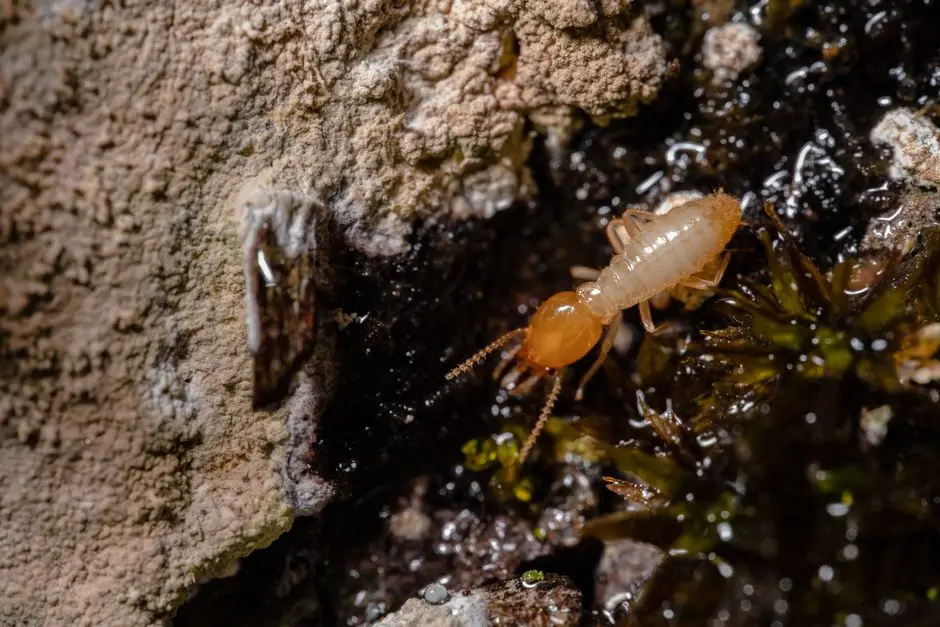
- Termite and wood inspection — We check accessible foundation and wood areas when a Marshall homeowner notices mud tubes, damaged trim, or suspicious soft spots. The inspection documents what is visible and helps distinguish termite evidence from moisture damage. We explain what the findings mean and what treatment is appropriate.